A hi vis coat is a longer high-visibility outer garment, usually cut to the upper thigh or below, that gives more weather coverage than a waist-length jacket. For buyers, the real decision is not “coat or jacket” in the abstract. It is how much of the body the garment must cover, what the wearer does all day, and whether the coat has to meet a visibility class on its own or as part of a jacket-and-trouser ensemble.
This guide is for PPE distributors, workwear brands, municipal buyers and contractors comparing hi vis coats, jackets and parkas. It explains the differences that matter in a specification, which length suits which job, and what a factory needs to know before sampling.
Hi Vis Coat vs Jacket vs Parka: What Is the Difference?
The names are used loosely across markets, so define them by length and construction in your RFQ rather than by the product name alone.
| Garment | Typical length | Main strength | Main limitation |
|---|---|---|---|
| Hi vis jacket | Waist to hip | Freedom to bend, climb and drive | Lower body exposed to rain and spray |
| Hi vis parka | Hip to upper thigh | Insulated warmth with a hood | Bulky in warm or active work |
| Hi vis coat (3/4 length) | Mid-thigh | Rain coverage for standing work | Can restrict climbing and kneeling |
| Long hi vis rain coat | Knee or below | Maximum rain protection | Snag and trip risk around machinery and ladders |
If you are sourcing shorter garments, our hi vis jacket explainer and hi vis winter jacket buyer’s guide cover them in more detail.
Which Jobs Suit a Hi Vis Coat?
A longer coat makes most sense when the wearer spends long periods standing or walking in rain, and rarely climbs, kneels or operates machinery.
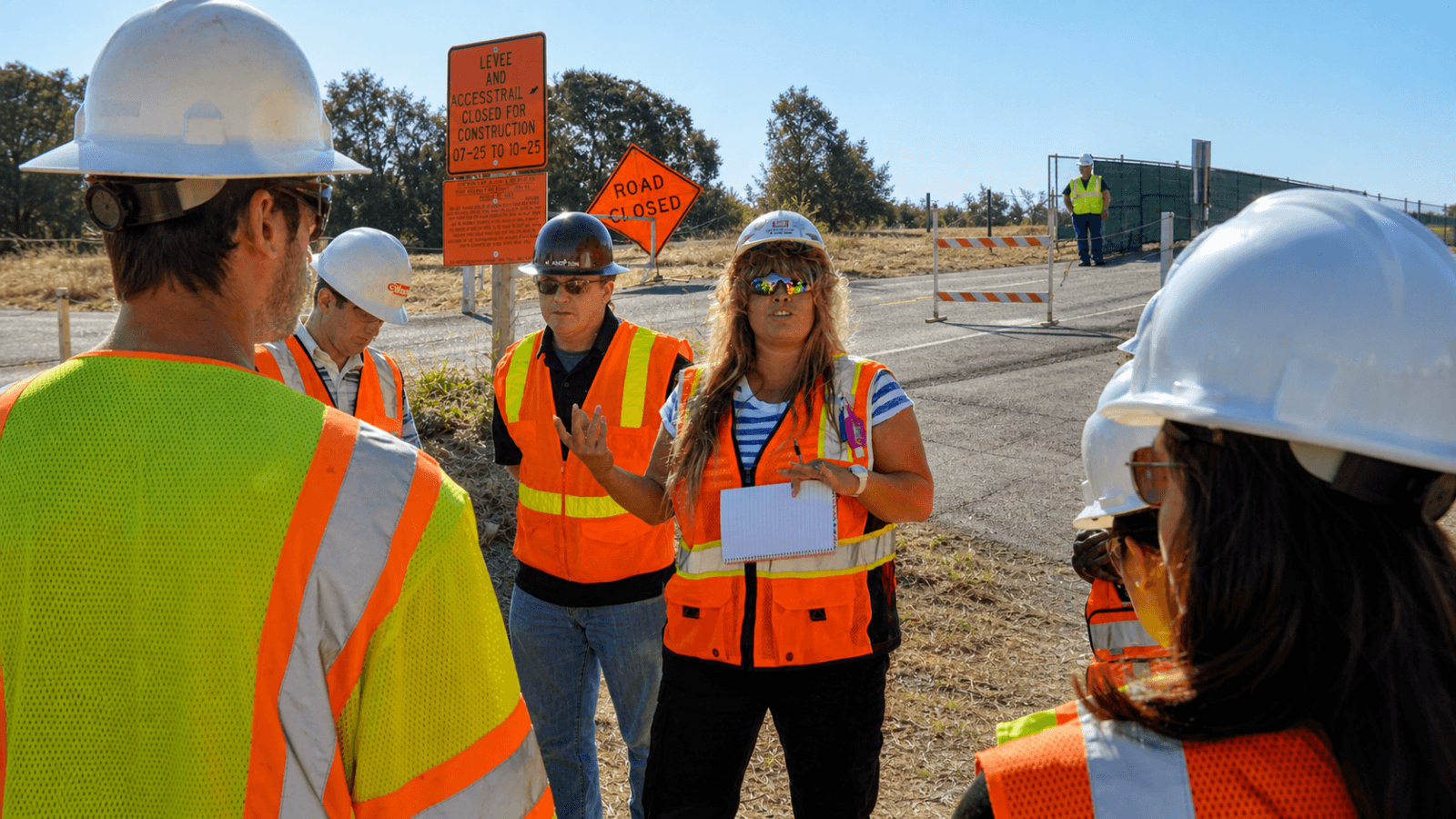
- Traffic control and flagging: long periods standing at the roadside in all weather.
- Parking, event and security staff: outdoor patrols where a smart, longer silhouette is preferred.
- Street cleaning and waste collection: rain and spray from vehicles reach well below the waist.
- Port, yard and logistics marshals: outdoor supervision rather than hands-on lifting.
For drivers, scaffolders, line workers and anyone working close to rotating equipment, a hip-length jacket with matching hi vis trousers is usually the safer choice. Long hems can catch on ladders, vehicle pedals and moving parts.

Does Coat Length Change the Visibility Class?
Length affects how much fluorescent and reflective material a garment carries, but the class is set by testing the finished garment against the standard, not by its name.
- ANSI/ISEA 107 (U.S.): a Class 3 garment needs at least 1,240 in² of background material and 310 in² of retroreflective material. Hi vis trousers are classified as Class E; worn with a Class 2 or Class 3 top, the ensemble is considered Class 3.
- EN ISO 20471 (EU/UK): Class 3 requires at least 0.80 m² of background material and 0.20 m² of retroreflective material. A jacket and trousers can be certified together as a Class 3 ensemble, provided they are tested and labeled as a set.
This matters for coat buyers. A long coat often reaches Class 3 on its own because of the extra fabric area. A shorter jacket may only reach Class 2, then rely on certified trousers to make a Class 3 ensemble. Check which configuration the certificate actually covers before you write “Class 3” in a tender response.
For U.S. employers, our guide to OSHA high-visibility clothing requirements explains when warning garments are required.
What Should a Hi Vis Rain Coat Specification Include?
Most hi vis coats are bought for rain. The visibility standard does not cover waterproofing, so write it into the specification:
- Shell fabric: fluorescent yellow or orange polyester with a PU coating, or a breathable laminate for long shifts.
- Rain performance: state the EN 343 class you need, or a hydrostatic head and breathability target tested on the finished fabric.
- Seams: taped or welded, including the hood and shoulder seams where water collects.
- Hood: fixed, roll-away or detachable; adjustable so it does not block side vision.
- Closures: two-way zip under a storm flap, so the coat can open at the hem for walking or sitting.
- Vents and back yoke: reduce condensation on PU-coated coats.
- Hem and side vents: side slits or snaps give stride room in a 3/4-length coat.
Our hi-vis rain jacket buying guide goes deeper into fabric and seam checks.

Where Should the Reflective Tape Go on a Long Coat?
On a longer garment, tape placement has to work while the wearer walks, bends and sits:
- Two horizontal bands around the torso, with the lower band high enough that it is not hidden when the coat is unzipped at the hem.
- Sleeve bands on both arms, which also help drivers recognize a human shape at night.
- Shoulder braces over both shoulders, so the coat stays visible from above and from the side.
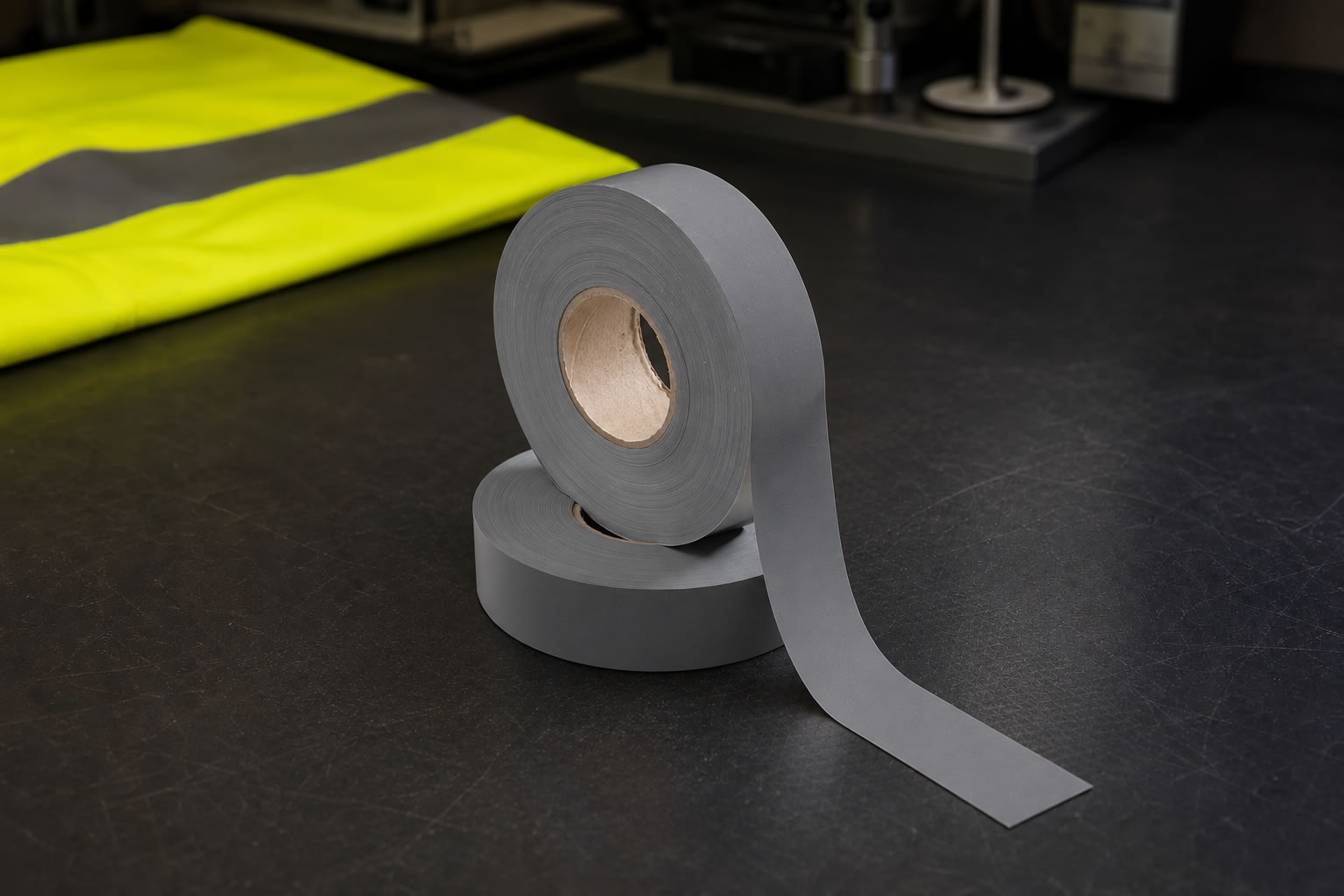
- Tape that flexes: on PU-coated fabric, heat-transfer or segmented tape cracks less at folds than rigid sewn tape.
Compare tape options in our glass-bead vs microprismatic reflective tape guide.
What Can Be Customized on a Hi Vis Coat?
- Length and fit: 3/4 or knee length, regular or relaxed cut to fit over insulated layers.
- Color blocking: navy or black lower panels hide dirt on longer coats.
- Identification: printed or reflective lettering such as “SECURITY” or a department name, sized so it does not reduce the class area.
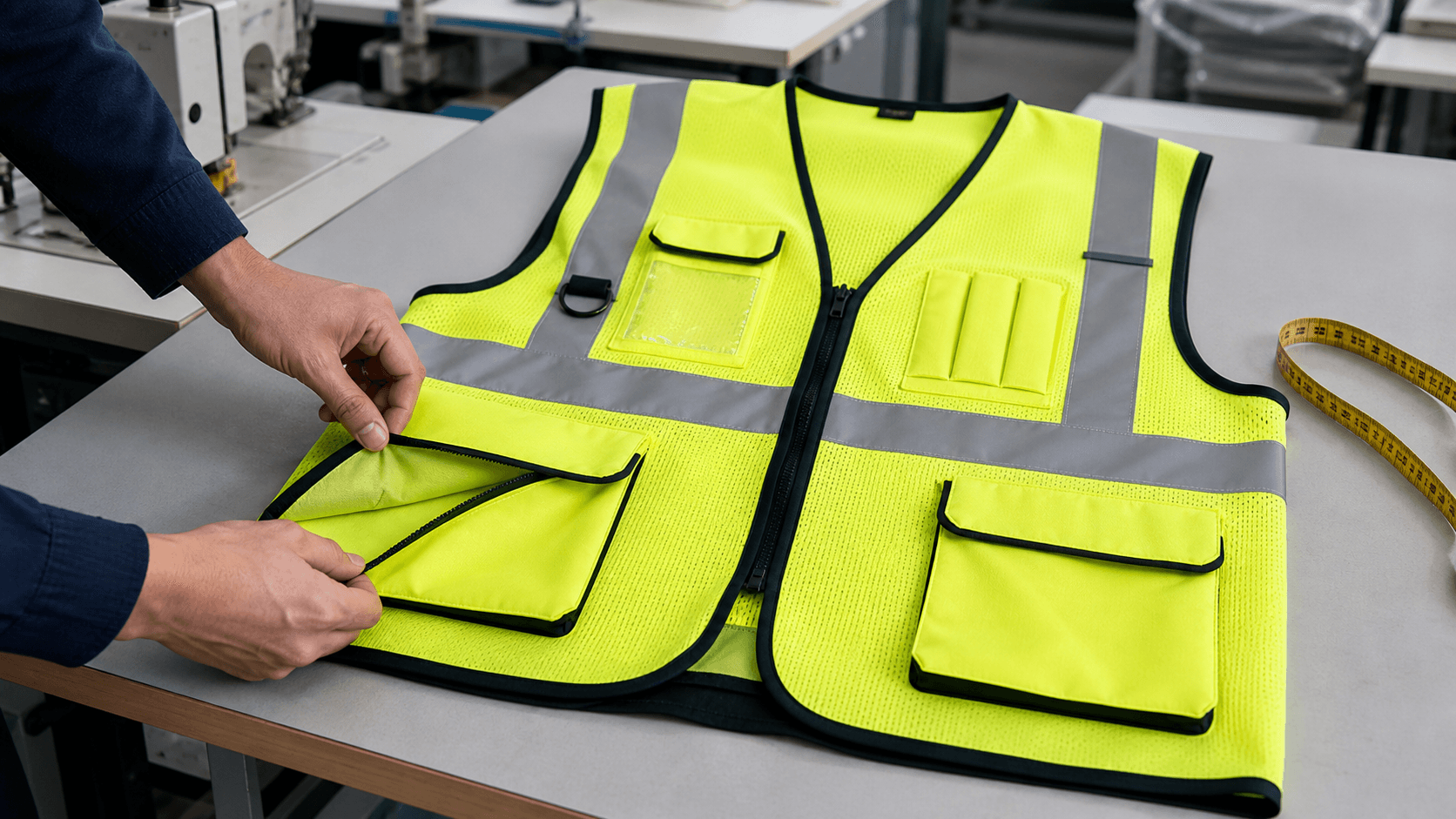
- Pockets and loops: radio loop, ID badge holder, chest pockets with flaps and hand-warmer pockets.
- Removable lining: a zip-in fleece or quilted liner turns a rain coat into a winter coat.
See an example layout in our hi vis jacket with multiple pockets or browse the reflective jacket range.
Six Checks Before Approving a Hi Vis Coat Sample
- Is the certificate for the coat alone, or for a coat-and-trouser ensemble?
- Does the smallest size still meet the class area?
- Can the wearer climb a step, kneel and sit in a vehicle without the hem catching?
- Do seams, hood and zips stay dry in a shower test?
- Is the lower tape band still visible with the bottom of the zip open?
- Does any lettering or logo leave the required fluorescent and reflective area intact?
Use our hi-vis workwear RFQ guide to send these points to suppliers in one consistent format.
Frequently Asked Questions
Is a hi vis coat the same as a hi vis jacket?
Not quite. “Coat” usually means a longer garment, cut to the thigh or knee, while a jacket ends around the waist or hip. Both can meet the same visibility class if the finished garment is tested and certified.
Is a long hi vis coat automatically Class 3?
No. A longer coat carries more material, which helps, but the class depends on the measured background and retroreflective areas and on the certificate. Always check the label and test report.
When is a jacket and trousers better than a coat?
When workers climb, kneel, drive or work near machinery. A hip-length jacket with hi vis trousers gives freedom of movement and can still form a Class 3 ensemble.
Can a hi vis rain coat be breathable?
Yes. Breathable laminated or membrane fabrics with taped seams can be tested to EN 343 for both water penetration resistance and breathability. PU-coated fabrics cost less but trap more moisture.
Can YOLITE make custom hi vis coats?
Yes. Send your target standard, coat length, fabric, tape and branding requirements, and we will confirm MOQ, sampling and lead time for your project.
Request a Hi Vis Coat Quote
Tell YOLITE who will wear the coat, how long they stand outdoors and which standard the garment must meet. We can review length, shell fabric, waterproofing, reflective layout, branding and packaging for your B2B project, or contact us directly with your specification.
Sources and Scope
1. American National Standards Institute, “ANSI/ISEA 107-2020: High-Visibility Safety Apparel,” November 2, 2020. https://blog.ansi.org/ansi/ansi-isea-107-2020-high-visibility-apparel/
2. 3M, “ANSI/ISEA 107-2020 Made Easier: A Quick Reference to the High-Visibility Safety Apparel Standard.” https://multimedia.3m.com/mws/media/638577O/ansi-107-2020-made-easier.pdf
3. International Organization for Standardization, “ISO 20471:2013 — High visibility clothing — Test methods and requirements.” https://www.iso.org/standard/30838.html
This article is a procurement guide, not a substitute for the complete standard, a workplace hazard assessment or advice from the authority responsible for your project. Requirements can vary by jurisdiction, contract, garment type, performance class and standard edition.

AUTHOR
Jack Lee
Founder · Yolite Industrial Co., Ltd.
Reflective-products specialist since 2003, focused on reflective materials, high-visibility apparel, OEM customization, and practical product development for international buyers.