OSHA High-Visibility Clothing Requirements: What Employers Need to Know
OSHA high-visibility clothing requirements are often summarized as “every worker must wear a safety vest.” That is too broad. Federal OSHA names high-visibility garments directly in certain construction situations, while its General Duty Clause can also apply when road and construction traffic creates a recognized struck-by hazard.
This guide explains the federal framework for U.S. employers as of August 2026. It is general information, not legal advice. State-plan rules, contract specifications and site conditions may impose additional requirements.
Quick answer: when does OSHA require high-visibility clothing?
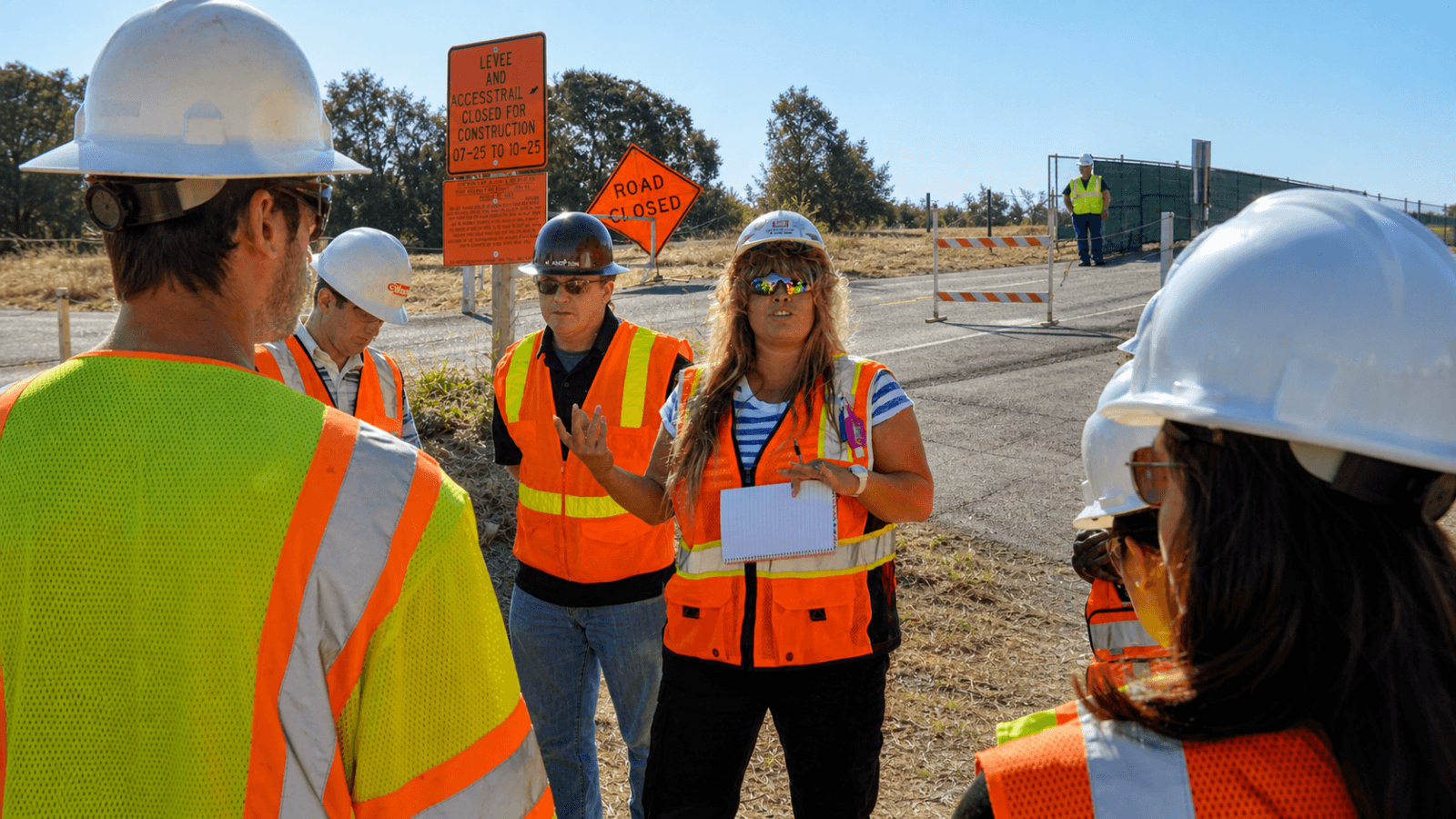
Federal OSHA expressly addresses warning garments for flaggers and for employees near excavations who are exposed to public vehicular traffic. OSHA also says the General Duty Clause requires similar protection for construction workers in highway and road work zones when public or construction traffic presents a recognized struck-by hazard.
- Flaggers: 29 CFR 1926.201(a) makes flagger signaling and warning garments conform to Part 6 of the Manual on Uniform Traffic Control Devices, or MUTCD.
- Excavation work near public traffic: 29 CFR 1926.651(d) requires exposed employees to be provided with and wear warning vests or other suitable garments made of reflectorized or high-visibility material.
- Other highway or road construction workers: OSHA’s 2009 interpretation says high-visibility apparel is required under the General Duty Clause when workers are exposed to the danger of being struck by public or construction traffic.
This does not mean a particular vest class is automatically correct for every workplace. The employer still needs to evaluate the task, traffic, speed, lighting, background, weather, equipment movement and applicable state or project rules.
The two OSHA construction provisions to know
29 CFR 1926.201(a): flaggers and the MUTCD
OSHA 29 CFR 1926.201(a) does not reproduce garment dimensions. Instead, it directs flagger signaling—including warning garments—to Part 6 of the MUTCD.
In the current federal MUTCD 11th Edition, Section 6C.05, all workers within the right-of-way and inside a temporary traffic control zone must wear high-visibility safety apparel meeting ANSI/ISEA 107 Performance Class 2 or 3, or an equivalent revision, subject to the section’s stated emergency-responder exception. The employer’s designated person responsible for worker safety selects the appropriate class.
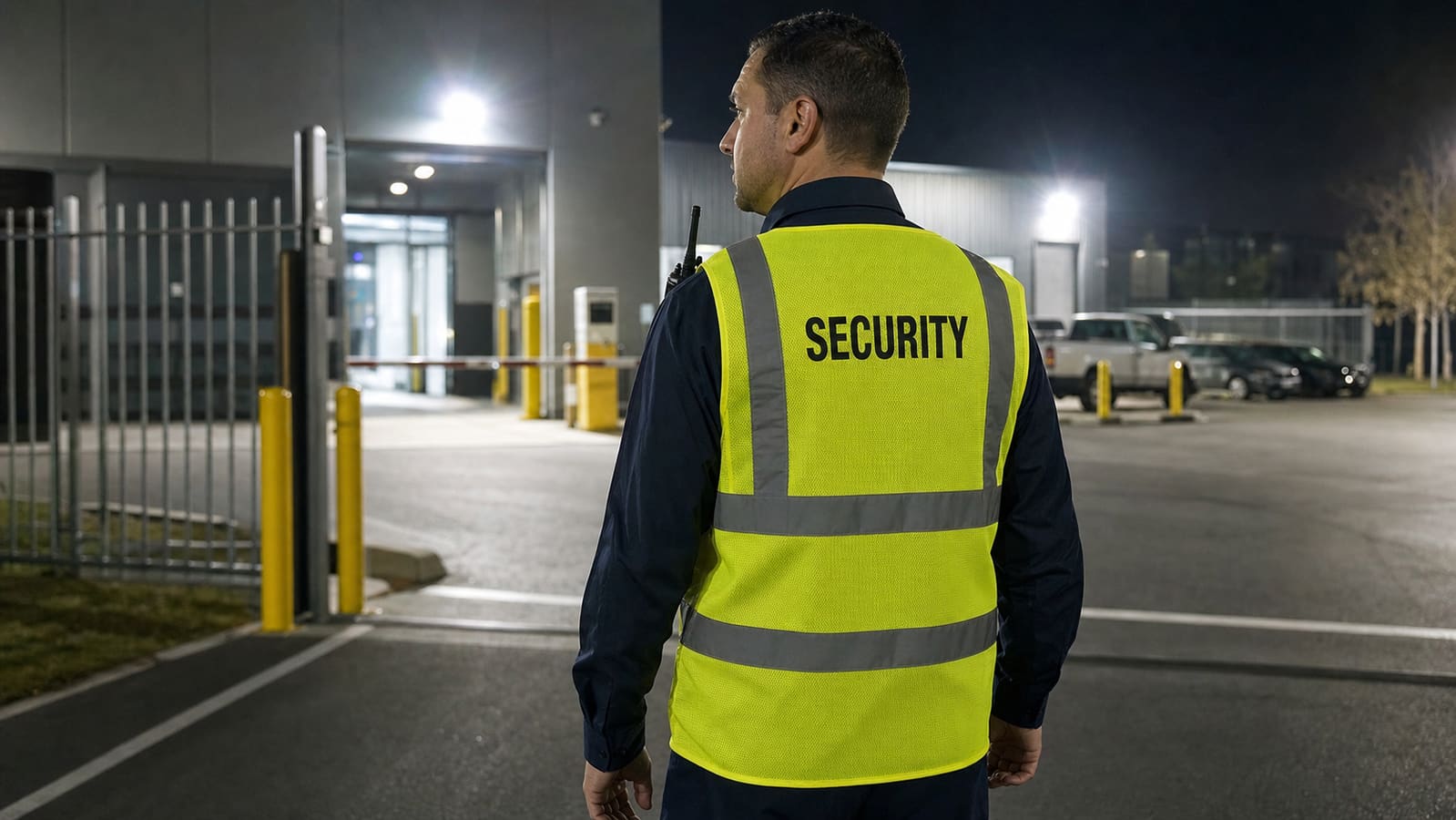
The MUTCD identifies fluorescent orange-red, fluorescent yellow-green or a combination as background colors. It also gives guidance that nighttime flaggers should wear Performance Class 3 apparel. “Should” is guidance in MUTCD terminology; buyers should still check the controlling agency, state adoption and contract language.
29 CFR 1926.651(d): excavations exposed to public traffic
OSHA 29 CFR 1926.651(d) is direct: employees exposed to public vehicular traffic around excavation work must be provided with and wear warning vests or other suitable reflectorized or high-visibility garments.
The provision states the visibility outcome, not a one-size-fits-all product specification. A purchasing team should therefore connect the OSHA requirement with the site’s risk assessment, adopted MUTCD rules, ANSI/ISEA garment labeling and any owner or transportation-agency specification.
How the General Duty Clause affects road work
A common mistake is to assume that only flaggers and excavation crews need high-visibility apparel. In its August 5, 2009 interpretation, OSHA explains that road and construction traffic is an obvious, recognized hazard for employees in highway and road construction work zones.
OSHA concludes that the General Duty Clause requires high-visibility apparel for employees exposed to the danger of being struck by public or construction traffic in those work zones. The letter also explains why: seeing a worker sooner gives a driver or equipment operator more time to avoid a collision.
An interpretation letter explains OSHA’s enforcement position for the facts discussed; it does not create a new regulation by itself. Employers should read it together with the standards, current MUTCD, state-plan requirements and their own hazard assessment.
OSHA, MUTCD and ANSI/ISEA 107 are not the same thing
| Source | What it does | Buyer takeaway |
|---|---|---|
| OSHA standards | Create enforceable federal workplace duties in covered situations. | Identify which standard and work condition apply. |
| OSHA General Duty Clause | Addresses recognized serious hazards when the statutory elements are met. | Do not treat the absence of a garment-specific rule as proof that no protection is required. |
| MUTCD | Sets national requirements and guidance for traffic control devices and work-zone practices. | Check the current edition adopted by the controlling jurisdiction and project. |
| ANSI/ISEA 107 | Defines high-visibility apparel types, performance classes, materials, design and labeling. | Verify the sewn label and supplier documentation; color alone is not certification. |
The NIOSH PPE database summary for ANSI/ISEA 107-2020 distinguishes off-road Type O, roadway Type R and public-safety Type P apparel. Performance classes relate to visible material and design requirements; they are not simply a ranking of fabric brightness.
Does OSHA require Class 2 or Class 3?
There is no universal OSHA rule that says every safety vest in every industry must be Class 2 or Class 3. In a temporary traffic control zone within the right-of-way, the current MUTCD specifies Performance Class 2 or 3 and assigns class selection to the employer’s designated safety person. It recommends Class 3 for nighttime flaggers.
Outside that context, the answer depends on the applicable rule and hazard assessment. A warehouse yard, utility job, airport ramp, delivery roadside stop and highway lane closure do not present identical traffic speeds, backgrounds or escape options. Select apparel for the actual exposure rather than copying another site’s purchase order.
An employer checklist for compliant selection
- Define the work zone. Record whether employees are in a public right-of-way, temporary traffic control zone, excavation, private yard or another setting.
- Identify moving hazards. Include public traffic, dump trucks, forklifts, loaders, reversing equipment and blind areas.
- Check every controlling source. Review federal or state OSHA rules, the jurisdiction’s MUTCD adoption, transportation-agency specifications, project contracts and employer policy.
- Select type and class. Match the garment to roadway, off-road or public-safety use and document why its performance class fits the exposure.
- Verify certification evidence. Inspect the label, model designation, applicable ANSI/ISEA edition, instructions and supplier documentation.
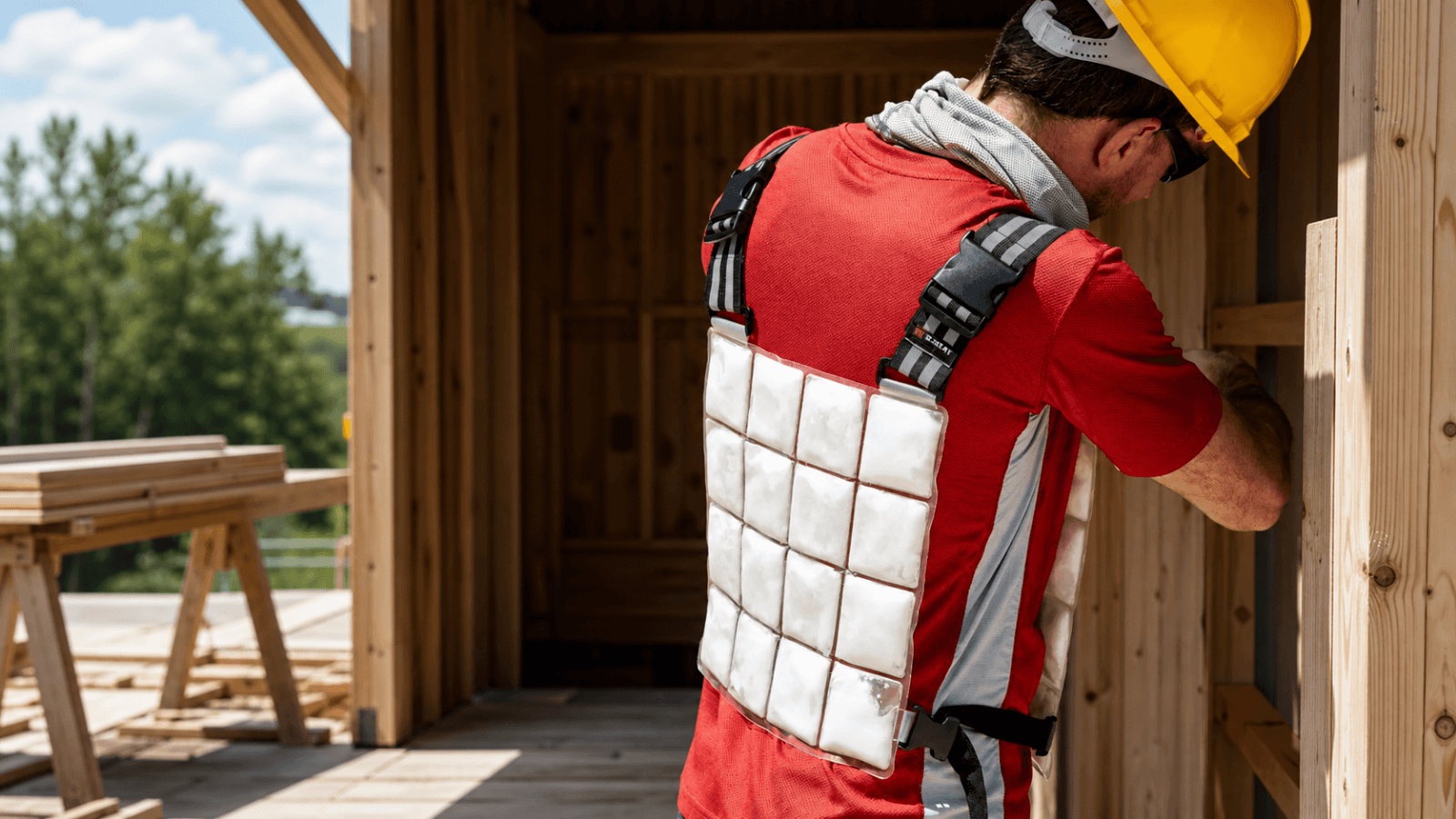
- Check fit and layering. Garments should remain visible and functional over seasonal clothing without restricting movement or obscuring required reflective areas.
- Plan inspection and replacement. Retire apparel when fading, contamination, damage or lost retroreflectivity means it no longer performs as intended.
- Train and supervise. Explain when the garment must be worn, how it should be fastened and why it does not replace traffic controls or situational awareness.
Purchasing mistakes that create avoidable risk
- Buying by color alone: fluorescent-looking fabric is not evidence of an ANSI/ISEA classification.
- Treating “OSHA approved” as a product badge: OSHA does not generally approve individual safety-vest models.
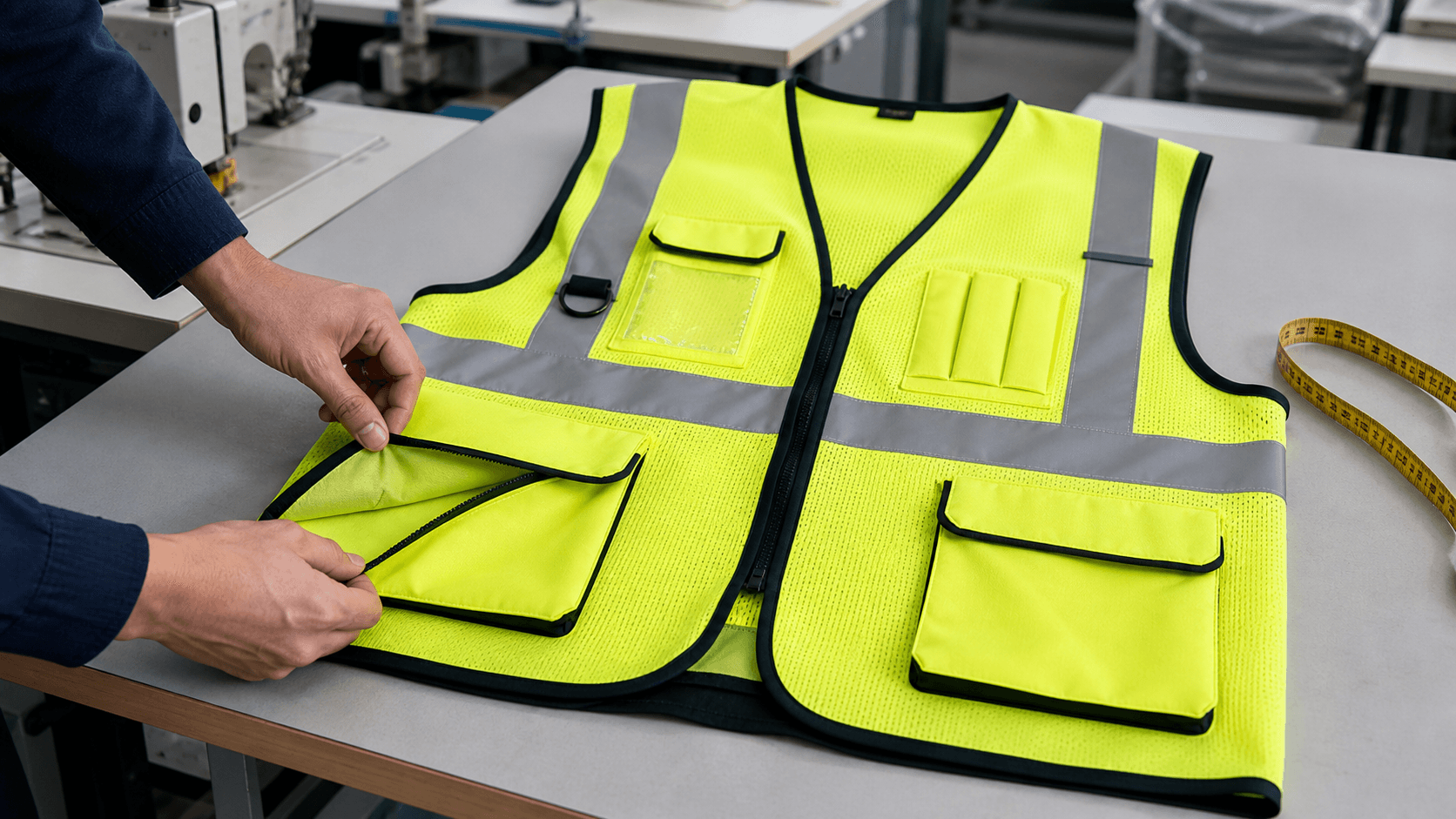
- Ignoring labels after customization: logos, pockets or alterations should not cover required visible material or make the original certification claim inaccurate.
- Using a vest as the entire struck-by program: traffic control plans, barriers, lighting, spotters, equipment controls and training remain essential.
- Applying one rule nationwide: state-plan states and project owners can have additional or more specific requirements.
Frequently asked questions
Does OSHA require high-visibility clothing for all construction workers?
No single federal provision requires every construction worker to wear it in every situation. Specific duties apply to flaggers and certain excavation exposures, and the General Duty Clause can require protection for workers exposed to recognized struck-by hazards from public or construction traffic in highway and road work zones.
Can an employer use an orange vest instead of yellow?
Color choice must follow the applicable standard and site assessment. The current MUTCD allows fluorescent orange-red, fluorescent yellow-green or a combination for the covered apparel, but the garment must also meet the relevant performance and labeling requirements. Ordinary orange fabric is not enough.
Are reflective stripes required during the day?
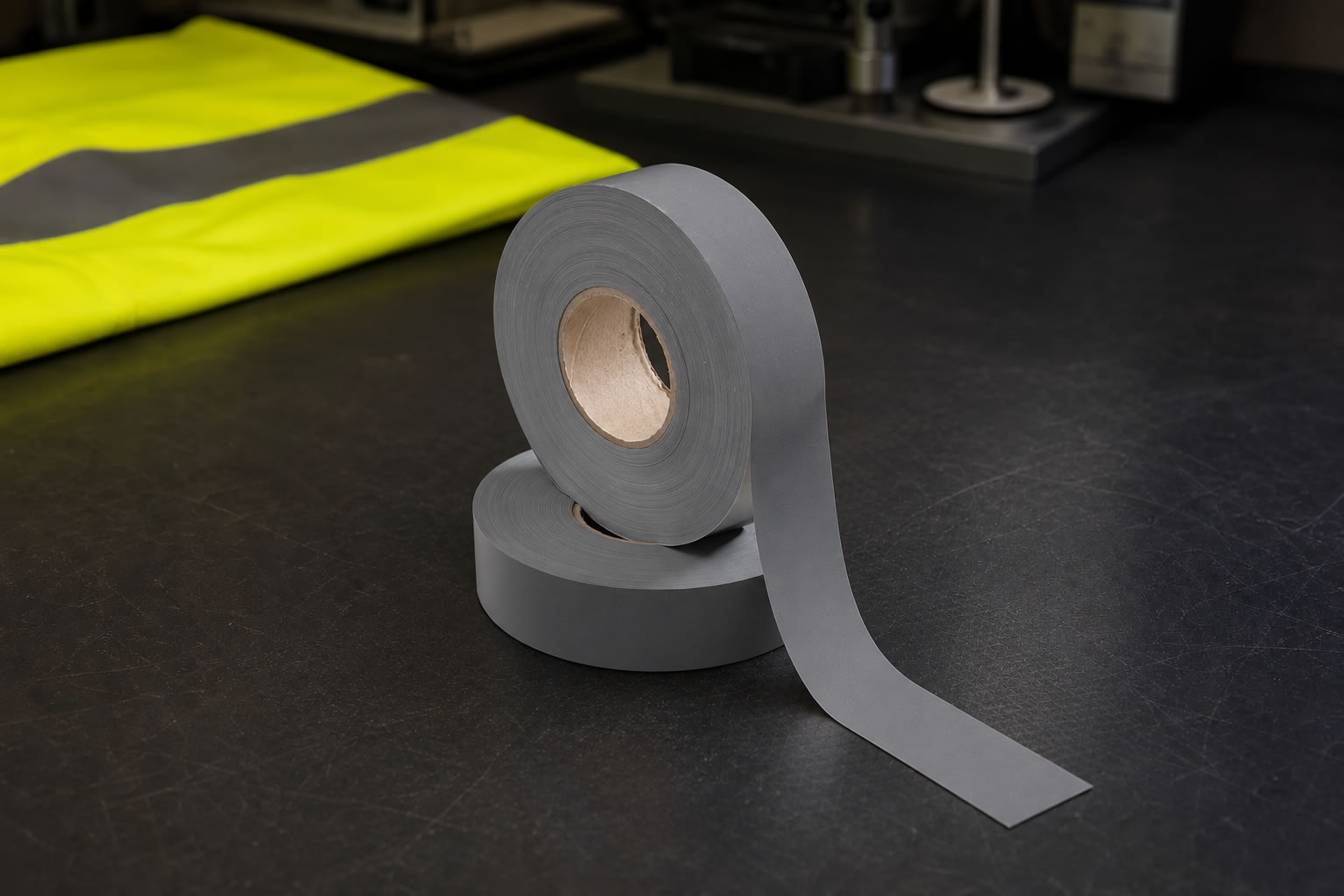
For apparel required to meet a specified ANSI/ISEA performance class, both background and retroreflective or combined-performance material requirements apply according to the standard. Do not assume reflective material is only relevant after dark.
Who decides between Class 2 and Class 3 in a work zone?
MUTCD Section 6C.05 says a person designated by the employer as responsible for worker safety selects the appropriate class. The decision should be tied to exposure conditions and any agency or contract rule, not personal preference.
Can a logo be printed on a compliant safety vest?
Customization may be possible, but it must not obscure required background or retroreflective areas or invalidate the garment’s labeling claim. Confirm the decoration area and finished-garment compliance with the manufacturer or qualified supplier before production.
Conclusion
The practical answer to “What are the OSHA high-visibility clothing requirements?” begins with the hazard and the controlling rule. Flaggers, excavation crews exposed to public traffic and highway or road construction workers exposed to traffic hazards have clear federal considerations. The right garment then depends on MUTCD applicability, ANSI/ISEA type and class, site conditions and any stricter state or contract requirement.
For bulk or OEM programs, review Yolite’s reflective safety vest options, then confirm the exact standard, labeling, configuration and customization limits required for the intended worksite before ordering.