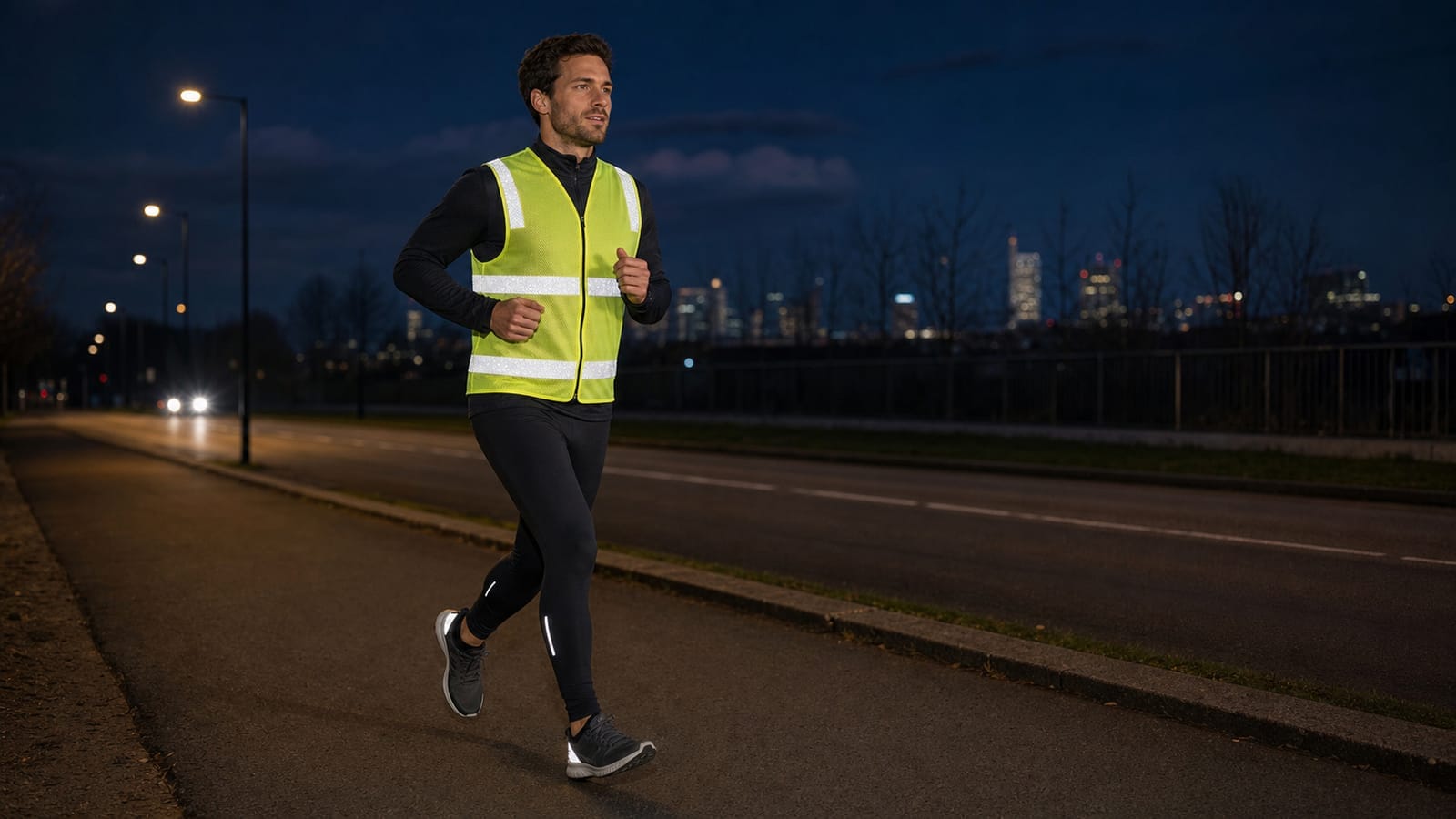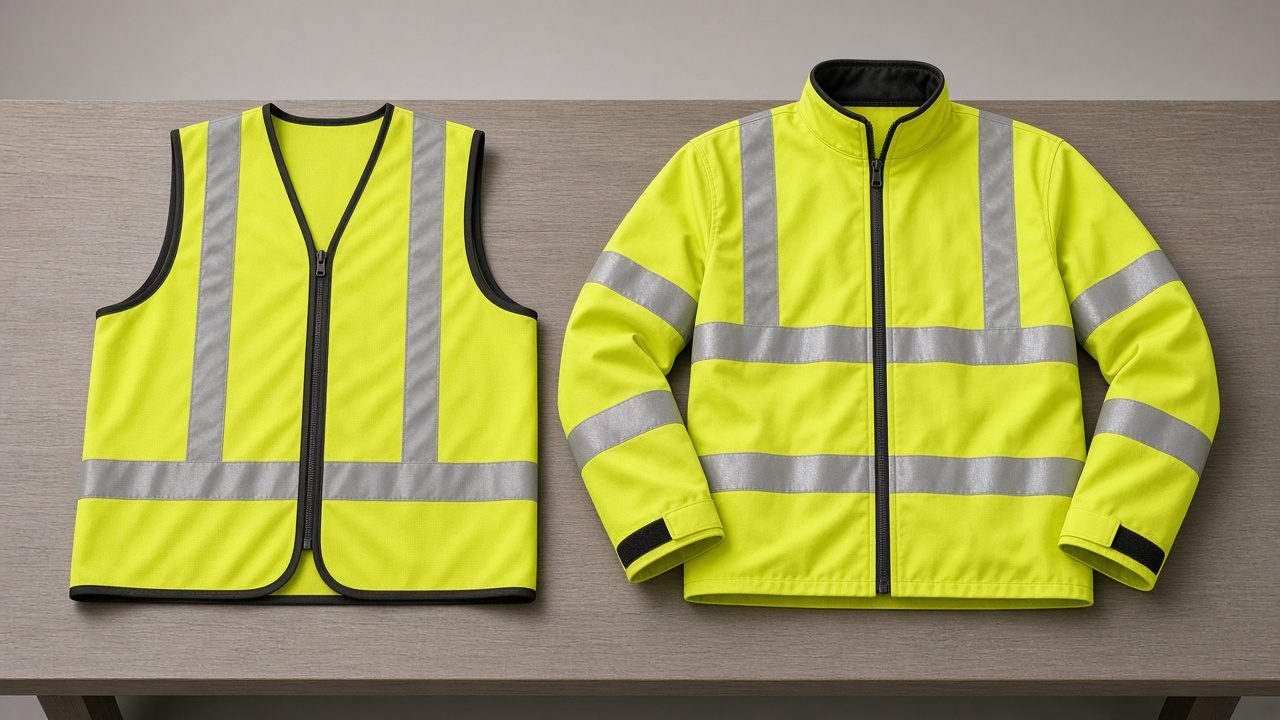
Class 2 and Class 3 safety vests are both high-visibility performance levels under ANSI/ISEA 107. Class 2 is the common choice for many workers near vehicles above about 25 mph or with tasks that divert attention from traffic. Class 3 adds more fluorescent background and retroreflective material—and usually covers more of the arms or torso silhouette—so workers stay conspicuous in higher-risk settings such as high speeds, reduced sight distance, or complex task loads. For public roadway rights-of-way in the United States, the Manual on Uniform Traffic Control Devices (MUTCD) generally requires Performance Class 2 or 3 apparel; the employer’s designated safety person selects which class fits the hazard assessment. For the broader employer checklist, see our related guide on OSHA high-visibility clothing requirements.
What do ANSI/ISEA 107 Class 2 and Class 3 mean?
ANSI/ISEA 107 is the U.S. voluntary consensus standard for high-visibility safety apparel (HVSA). It sets minimum areas of fluorescent background material and retroreflective (or combined-performance) material, plus design rules for how that material is placed so a person is recognizable as a person—not just a bright shape.
Later editions of the standard (notably 2015 and 2020) also group garments by type:
| Type | Typical use |
|---|---|
| Type O (off-road) | Occupational settings with moving equipment but not MUTCD roadway HVSA mandates; Class 1 only |
| Type R (roadway) | Workers exposed to roadway traffic and temporary traffic control zones; Class 2 or Class 3 |
| Type P (public safety) | Fire, police, EMS options with different background-area minimums |
For most “Class 2 vs Class 3 safety vest” buying decisions on roads and work zones, you are comparing Type R, Performance Class 2 versus Type R, Performance Class 3.
How do Class 2 and Class 3 material requirements differ?
Oregon OSHA’s high-visibility fact sheet summarizes the widely cited minimum areas (aligned with ANSI/ISEA 107 performance classes used for Type R roadway garments). Approximate Type R minimums are:
| Criterion | Class 2 | Class 3 |
|---|---|---|
| Minimum fluorescent background | About 775 in² (0.50 m²) | About 1,240 in² (0.80 m²) |
| Minimum retroreflective / combined-performance material | About 201 in² (0.13 m²) | About 310 in² (0.20 m²) |
| Typical garment form | Often a compliant sleeveless or sleeved vest / shirt | Usually needs sleeves or more body coverage; a sleeveless vest alone is not Class 3 |
| Risk framing (guidance) | Near traffic over ~25 mph; tasks that divert attention; complex backgrounds / weather | Higher speed or reduced sight distance; high task loads; need for long-range conspicuity |
Important design fact: Under modern ANSI/ISEA 107 labeling, a sleeveless vest by itself is not Performance Class 3. Class 3 requires enough material and coverage that the wearer remains identifiable through a fuller range of body motion—commonly sleeves on a jacket/shirt, or a Class 2 upper garment paired with compliant Class E pants/shorts that together meet Class 3 when worn as an ensemble (confirm on the product label for the configuration you buy).
ANSI/ISEA 107-2020 summaries also note limited background-area reductions for the smallest size in a Type R size range (for example, about 540 in² for the smallest Class 2 size and about 1,000 in² for the smallest Class 3 size), while retroreflective minimums stay at full Class 2 / Class 3 values. Always verify the garment’s sewn-in label for the declared type, class, and standard year.
When do employers need Class 3 instead of Class 2?
There is no single OSHA rule that says “always buy Class 3.” Employers still must:
- Assess struck-by / visibility hazards and select PPE that fits those hazards (see OSHA’s general PPE rule, 29 CFR 1910.132).
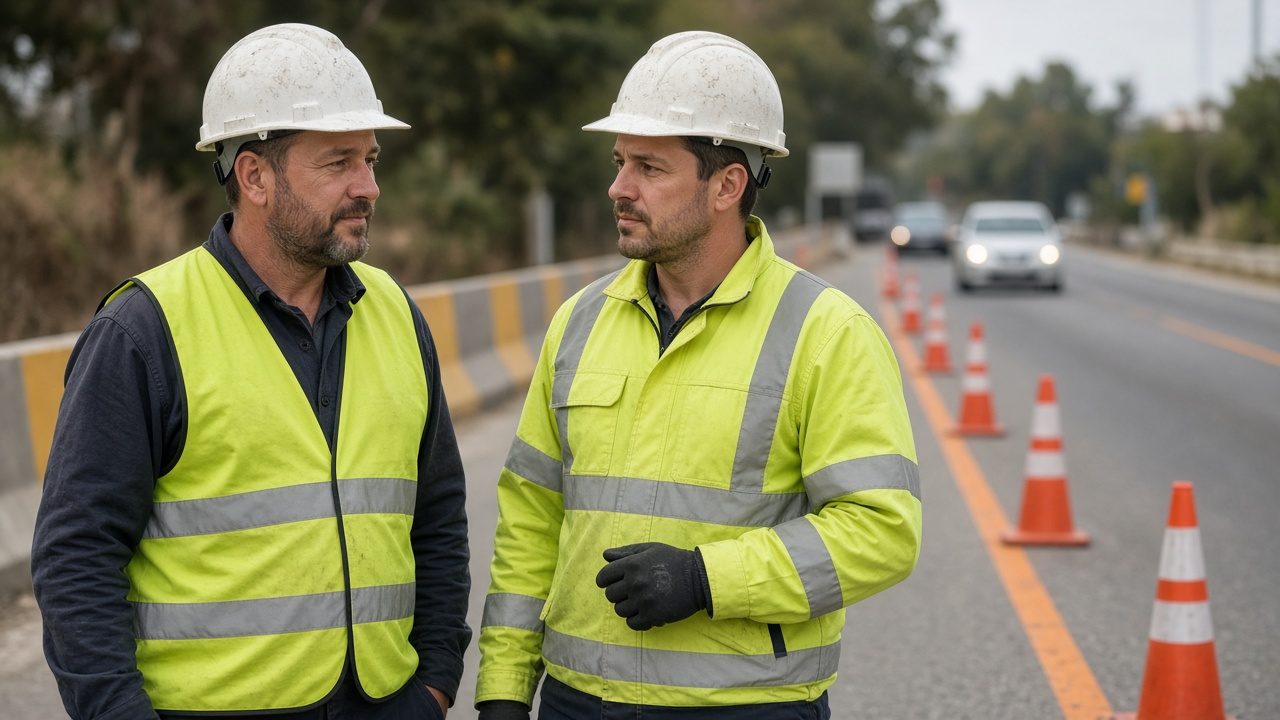
- For workers inside a public roadway right-of-way who are exposed to traffic or work vehicles/equipment, follow MUTCD worker-visibility provisions: high-visibility apparel meeting ANSI/ISEA 107 Performance Class 2 or 3 (or FHWA-accepted equivalent revisions), with a designated person selecting the class.
Guidance from U.S. Forest Service / MUTCD-oriented safety materials and Oregon OSHA’s job-type table points employers toward Class 3 when risk is higher—for example when workers:
- Face high vehicle speeds and/or reduced sight distance
- Share high task loads with vehicle operators (both distracted by complex work)
- Need maximum conspicuity so drivers can identify a person at a long distance (Oregon OSHA’s summary cites Class 3 when the wearer must be conspicuous at about 1,280 feet)
- Work as flaggers, night roadway crews, or in temporary traffic control where site rules or owner specifications call for Class 3
Practical rule used by many safety supervisors: if the job hazard analysis is borderline between Class 2 and Class 3, choose the higher class—or specify a Class 2 vest plus Class E bottoms that create a labeled Class 3 ensemble.
Oregon OSHA’s illustrative job table often lists roadway construction, utility, and survey work under Class 2 and/or Class 3 depending on site conditions—not as a one-size mandate. Warehouse or parking-lot roles without street/highway exposure may not need roadway Class 2/3 apparel at all, though employers may still choose hi-vis for forklift or yard visibility.
Class 2 vs Class 3: which vest should you specify?
Use this quick decision frame when writing a purchase or OEM brief:
- Is the work in a public roadway right-of-way? If yes, plan for Type R Class 2 or Class 3 (or accepted Type P options for certain public-safety roles).
- What does the hazard assessment say about speed, sight distance, weather, night work, and task complexity? Higher risk → Class 3.
- Do you need a sleeveless vest for heat or equipment access? That usually means Class 2 as a standalone garment—or a documented Class 3 ensemble with compliant bottoms/sleeves.
- Does the project owner, DOT, or prime contractor specify a class? Match the specification and the labeled configuration.
- Will the same crew work across mixed risks? Many buyers standardize on Class 3 for roadway crews to avoid under-protection on the worst day, then keep Class 2 for lower-risk yards or indoor-adjacent tasks.
What should buyers check on the label and in the PO?
- Declared ANSI/ISEA 107 edition year, Type (O / R / P), and Performance Class
- Fluorescent color that contrasts with the work background (lime-yellow vs orange is a contrast choice, not a class by itself)
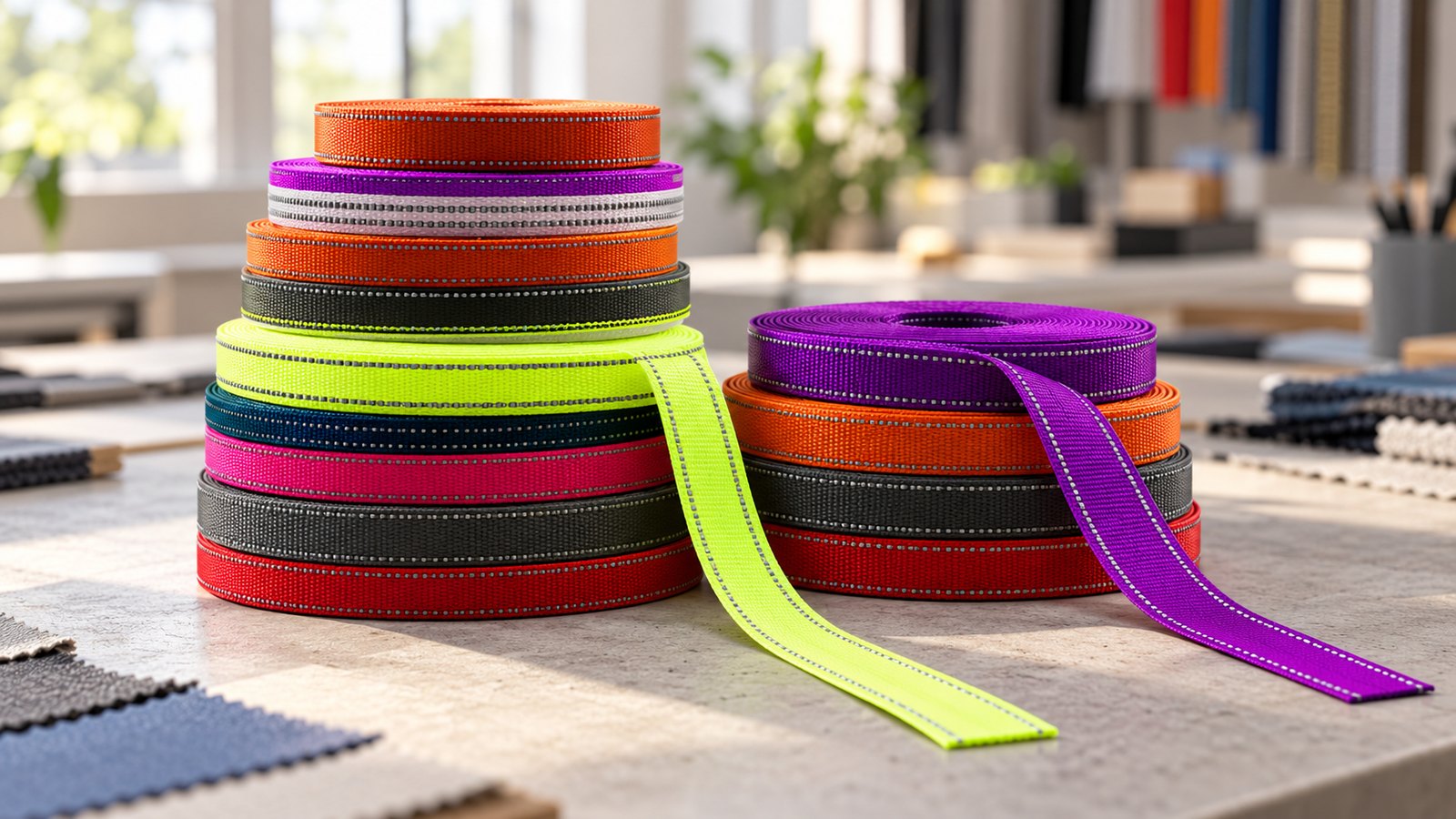
- Tape width / placement that matches the claimed class (Class 3 designs typically use wider or more extensive retroreflective bands)
- Size range coverage so smaller and larger workers still meet area rules after fit
- Care, service life, and replacement criteria (faded, dirty, torn, or no longer visible at expected distances)
- For EU or multi-market programs, separate mapping to EN ISO 20471 classes—do not assume U.S. Class 2 equals EN Class 2 without a compliance review
Soft bridge: sourcing compliant reflective vests (OEM)
If you are building a private-label or branded hi-vis program, treat class as a design input—not a marketing badge. Share with your manufacturer: target market (U.S. MUTCD / ANSI Type R vs EU EN ISO 20471), required class, size run, fabric (mesh vs solid), breakaway points, pocket layout, and logo method. Logos and extra pockets must not erase required background or tape area.
Yolite (Ningbo Jiangbei Shiquan Gift / reflective.cn) designs and manufactures reflective safety apparel and gifts for CE EN ISO 20471 / EN1150 / EN13356 programs and U.S.-oriented ANSI Class configurations. Browse reflective vests or an example ANSI107 Class 2 safety reflective vest, then ask for an OEM brief review so tape layout, fluorescent area, and labeling match the class you actually need.
FAQ
Is a Class 3 safety vest always better than Class 2?
Class 3 provides more high-visibility material and usually more body coverage, which helps in higher-risk traffic settings. It is not automatically “better” for every job: extra coverage can mean more heat, and a sleeveless Class 2 vest may be the correct labeled choice when Class 3 coverage is not required by the hazard assessment or site specification.
Can a sleeveless vest be labeled Class 3?
Under current ANSI/ISEA 107 practice, a sleeveless vest alone is generally Class 2, not Class 3. Class 3 typically needs sleeves or an approved combination (for example, a Class 2 upper garment plus Class E bottoms) that is labeled for that configuration.
Does MUTCD require Class 3 for all roadway workers?
No. MUTCD worker-visibility provisions require high-visibility apparel meeting Performance Class 2 or 3. The employer’s designated worker-safety person selects the appropriate class for the worksite. FHWA has also recognized later ANSI/ISEA 107 revisions (for example Type R Class 2/3 under the 2015 edition) as meeting those MUTCD sections when requirements are at least equivalent.
Does OSHA specifically mandate ANSI Class 2 or Class 3?
OSHA’s general PPE standard requires employers to assess hazards and select suitable PPE. OSHA has not adopted ANSI/ISEA 107 as a universal clothing code for every workplace. Roadway work is often driven by MUTCD / FHWA requirements plus the employer’s hazard assessment; state plans (such as Oregon OSHA) may add more specific high-visibility rules for right-of-way exposure.
How do U.S. Class 2 / Class 3 relate to EN ISO 20471?
Both systems use numbered classes based largely on minimum areas of fluorescent and retroreflective material, but the standards, test methods, and labeling are not identical. Multi-market buyers should specify each destination standard separately and confirm certification for the finished garment design.
What information should I give an OEM for a Class 2 or Class 3 vest order?
Provide intended use (roadway Type R vs off-road), required class, fluorescent color, fabric, closures, breakaway needs, pockets, logo artwork and placement, size breakdown, and whether Class 3 will be a sleeved garment or a vest-plus-bottoms ensemble. Ask for a sample label statement before mass production.
Sources
- Oregon OSHA — *High-visibility safety apparel* (Fact Sheet fs42): https://osha.oregon.gov/OSHAPubs/factsheets/fs42.pdf
- U.S. Forest Service MTDC — *High-Visibility Garments and Worker Safety on Roadways* (MUTCD 6D.03 summary and Class 2 vs Class 3 selection guidance): https://www.fs.usda.gov/t-d/pubs/htmlpubs/htm12512818/page02.htm
- FHWA MUTCD Interpretation Letter 6(09)-37(I) — Use of ANSI/ISEA 107-2015 high-visibility safety apparel: https://mutcd.fhwa.dot.gov/resources/interpretations/6_09_37.htm
- OSHA — 29 CFR 1910.132 *General requirements* (PPE hazard assessment and selection): https://www.osha.gov/laws-regs/regulations/standardnumber/1910/1910.132
- North Carolina Department of Labor OSH — SN-73 on high-visibility apparel and ANSI/ISEA 107 class labeling (including sleeveless Class 3 change): https://www.labor.nc.gov/osh/osh-enforcement-procedures/sn-73-requirements-high-visibility-apparel-and-enforcement-federal-highway-administration-regulation/open
- 3M Personal Safety Division — *ANSI/ISEA 107-2020 Made Easier* (quick reference to Type O/R/P and Class material areas): https://multimedia.3m.com/mws/media/638577O/ansi-107-2020-made-easier.pdf