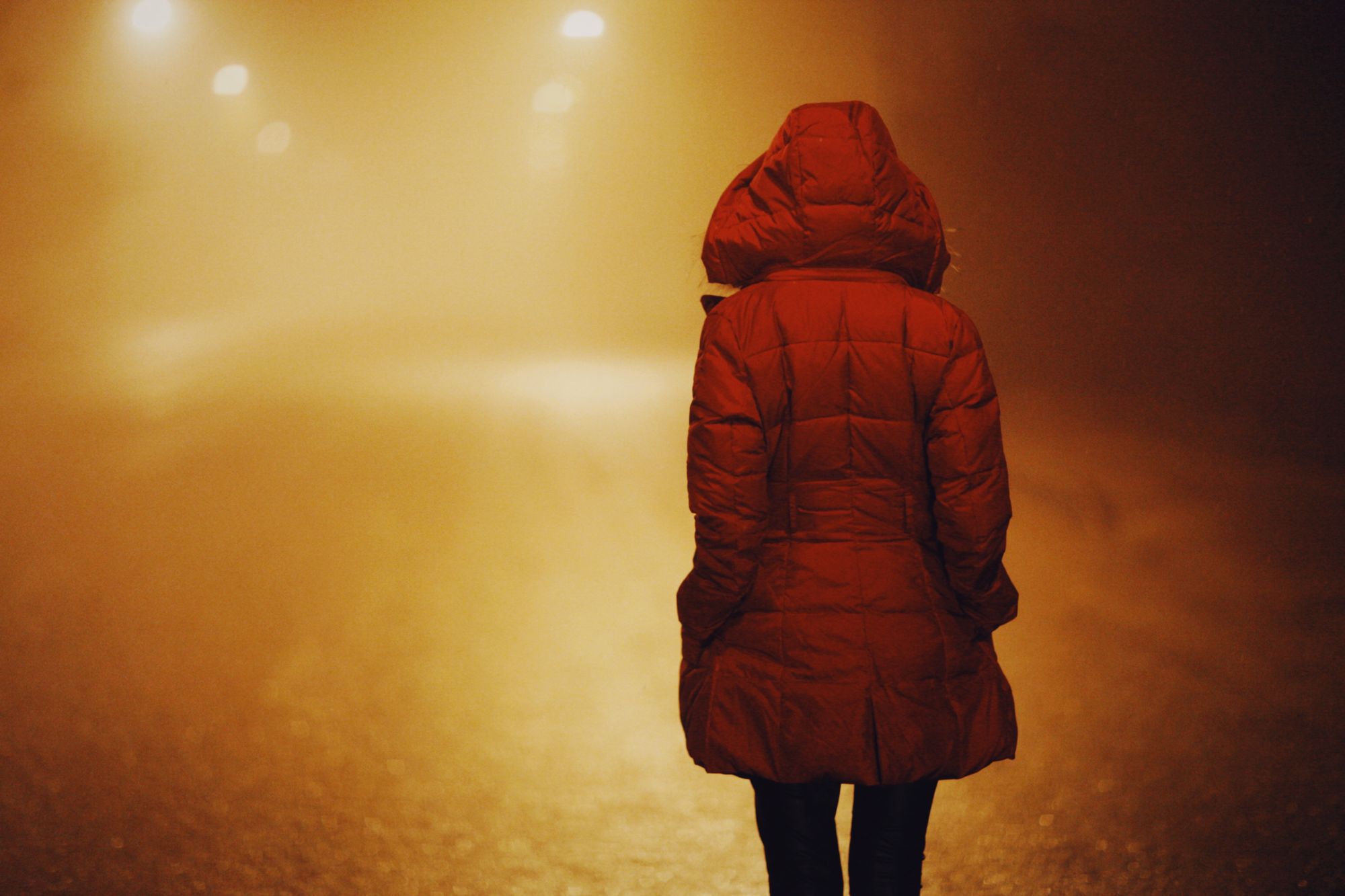
A reflective puffer jacket is an insulated, quilted jacket whose shell, trims or prints are made from retroreflective material, so the same warm winter layer that people wear every day also shows up in headlights after dark. Puffers are what most people put on from November to March, and in many cities the most popular colours are black, navy and olive, which are exactly the colours drivers struggle to see. Adding reflectivity to a puffer is a smart product idea, but quilted, down-filled garments behave differently from flat shells, and the reflective method you choose has to suit the baffles, the fill and the care label.
This guide is for fashion, outdoor, commuter and children’s brands, retailers and corporate gift buyers developing a reflective puffer or insulated jacket with a factory. It covers the two main design routes, shell fabrics, fill choices, how to put reflective material on quilted panels, and a sampling checklist. If you need certified workwear rather than a fashion or commuter jacket, see our hi vis winter jacket buyer’s guide.
Two Ways to Make a Puffer Reflective
Almost every reflective puffer on the market follows one of two routes, and they lead to quite different products.
- All-over reflective shell: the outer fabric itself is a reflective fabric, usually a woven polyester or nylon with a layer of glass beads, so the whole jacket looks grey or silver by day and lights up brightly in headlights. Coloured and “rainbow” reflective fabrics give a fashion look. This is a statement piece and the strongest night-time effect.
- Standard shell with reflective details: a normal nylon or polyester puffer with reflective tape, piping, heat transfer logos, reflective prints or one reflective panel. It looks like an ordinary jacket by day, costs less to develop and is easier to sell in large volumes.
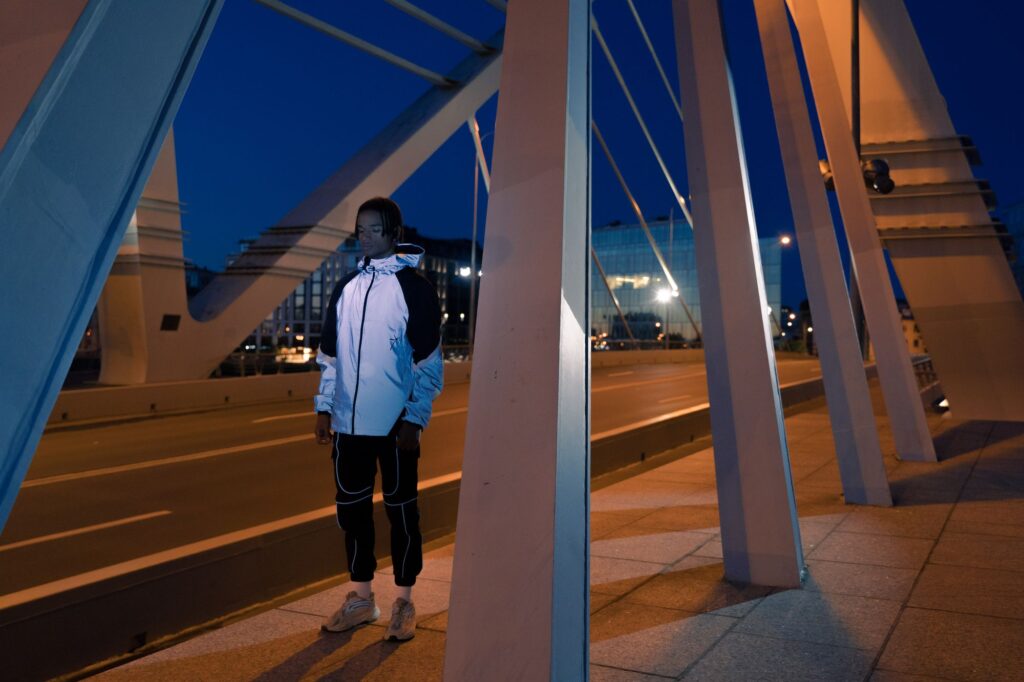
Some brands combine both: a dark shell with a reflective yoke, hood or sleeve panels. That keeps the jacket wearable while putting the brightest material where drivers see it first.
| Design route | Night visibility | Daytime look | Things to check |
|---|---|---|---|
| All-over reflective shell | Very strong, whole body outline | Silver, grey or coloured metallic | Hand feel, noise, down-proofing, wash durability, cost |
| Reflective panels (yoke, hood, sleeves) | Strong on key areas | Two-tone or colour-block | Seam placement, panel shape on quilting |
| Reflective tape or piping | Moderate, clear outline lines | Discreet, sporty | Stitch holes through the down chamber |
| Heat transfer logos and prints | Low to moderate, depends on area | Almost invisible by day | Press heat on thin shells and on lofted panels |
Shell Fabric and Fill
Shell fabric
Puffer shells are usually light nylon or polyester, often 20D to 40D, with a down-proof finish or a fine weave so feathers cannot work through. Reflective fabric is heavier and stiffer than these shells, so an all-over reflective puffer feels different in the hand and makes more noise when you move. Ask for the reflective fabric’s base, weight, coefficient of retroreflection and wash rating before you fix the design. Our guide to buying reflective fabric by the yard lists the specification points to request.
Down or synthetic fill
- Down: the best warmth for its weight and packs small. Fill power is tested to the IDFB testing regulations, and composition labelling of down and feather in Europe follows EN 12934. Many brands also ask for traceable down under the Responsible Down Standard.
- Synthetic fill: polyester wadding or loose fibre that stays warmer when wet, washes more easily and costs less. It suits children’s, commuter and promotional jackets.
- Padded (wadding) jackets: a flat sheet of wadding quilted to the shell. These are lower in loft but easier to decorate, because the panels are flatter.
Agree the fill weight per size and the test method in writing. Do not print warmth ratings or fill power on hangtags unless the test report supports them.
Putting Reflective Material on Quilted Panels
The quilting is what makes a puffer warm, and it is also what makes reflective decoration tricky. Keep these rules in your tech pack:
- Follow the stitch lines. On sewn-through quilting, place sewn reflective tape or piping on the existing quilting lines. Stitching across a lofted chamber flattens the fill and adds needle holes that can leak down.
- Use flat zones for heat transfers. Heat transfer film bonds best on a flat, firm surface. On puffers that means the yoke, hood, cuffs, side panels, pocket flaps or a flat chest panel. Pressing on lofted chambers crushes the fill and gives uneven adhesion. Our reflective HTV guide explains press settings and film types.
- Decorate before filling where possible. Transfers and prints are often applied to cut panels before they are quilted and filled, which gives a better bond and protects the down.
- Watch press temperature on thin shells. Light nylon can glaze or shrink under heat. Ask the factory to test bond strength and appearance on the actual shell colour.
- Allow for movement. Puffers bend and compress constantly. Segmented tape and flexible film last longer than wide solid strips, which can crack at the elbows.
For the pros and cons of sewn, iron-on and heat transfer methods in more detail, see reflective tape for clothing.
Where Reflective Details Work Best
- Hood and shoulders: the highest point of the body and the part most often visible above parked cars.
- Sleeves and cuffs: moving arms help drivers recognise a person rather than an object.
- Back yoke and side seams: visible to traffic coming from behind and from the side.
- Front zip and pocket edges: reflective piping gives a clean outline without changing the jacket’s daytime look.
Fashion Jacket or Certified Garment?
Most reflective puffers are fashion or commuter products and are not certified. That is fine, as long as the marketing does not claim a standard the jacket has not passed. If you want a certified consumer visibility jacket in Europe, EN 17353 covers enhanced-visibility equipment for non-occupational users, with Type A (retroreflective), Type B (fluorescent) and Type AB (both). A dark puffer with reflective trims may meet Type A requirements if it has enough reflective area in the right places, but it must be tested. Our men’s reflective jacket guide explains how EN 17353 differs from occupational EN ISO 20471.
Sampling Checklist for a Reflective Puffer Jacket
- Target user and climate: city commuting, school, outdoor or fashion; the temperature range you are designing for.
- Design route: all-over reflective shell, reflective panels, or trims and prints, with a sketch showing each reflective area.
- Shell and lining: fabric, denier, colour, down-proof requirement and water-repellent finish.
- Fill: down or synthetic, fill weight per size, fill power and composition test methods if claimed.
- Construction: sewn-through or box baffles, hood type, zip, cuffs, hem and pockets.
- Durability: the wash method and number of cycles the reflective material and seams must pass, for example domestic washing to ISO 6330.
- Branding and packing: logo method, labels, hangtags and whether the jacket packs into its own pocket.
Related YOLITE products include the thick hooded padded reflective jacket and the reflective winter jacket for men and women.
Frequently Asked Questions
Is a reflective puffer jacket as warm as a normal puffer?
Warmth comes from the fill and the construction, not the shell, so a reflective puffer with the same fill and baffles can be just as warm. An all-over reflective shell is slightly heavier and less breathable, which some wearers notice when active.
Does a reflective puffer jacket glow in the dark?
No. Retroreflective material does not emit light. It returns light from headlights, bike lights or torches back toward the source, so it looks bright to the driver and ordinary to people standing to the side.
How should a reflective down jacket be washed?
Wash gently at low temperature with a down detergent, avoid fabric softener and bleach, do not iron the reflective areas and tumble dry on low with dryer balls to restore loft. See our reflective jacket washing guide when writing care labels.
Can children’s puffers be reflective?
Yes, and they are a popular school-run product. Children’s clothing has extra safety rules on cords, small parts and chemicals, so tell the factory the target market and age range at the start.
Can YOLITE make private-label reflective puffer jackets?
Yes. Share your design, shell, fill and reflective layout, and we will confirm MOQ, sampling, testing options and lead time when you request a quote.
Request a Reflective Puffer Jacket Quote
Tell YOLITE who will wear the jacket, the climate, the look you want by day and how bright it should be at night. We can review reflective fabrics, trims, fill options and branding for your order. Contact us with your tech pack, sketch or reference sample.
Sources and Scope
1. European Committee for Standardization (CEN), “EN 17353:2020 — Protective clothing — Enhanced visibility equipment for medium risk situations.”
2. European Committee for Standardization (CEN), “EN 12934 — Feather and down — Composition labelling of processed feathers and down for filling products.”
3. International Down and Feather Bureau (IDFB), Testing Regulations (fill power and composition methods); Textile Exchange, Responsible Down Standard (RDS).
4. ISO 6330 — Textiles — Domestic washing and drying procedures for textile testing.
This article is a product development guide, not a substitute for the complete standards or for testing by an accredited laboratory. Requirements can vary by market, product type and standard edition.

AUTHOR
Jack Lee
Founder · Yolite Industrial Co., Ltd.
Reflective-products specialist since 2003, focused on reflective materials, high-visibility apparel, OEM customization, and practical product development for international buyers.