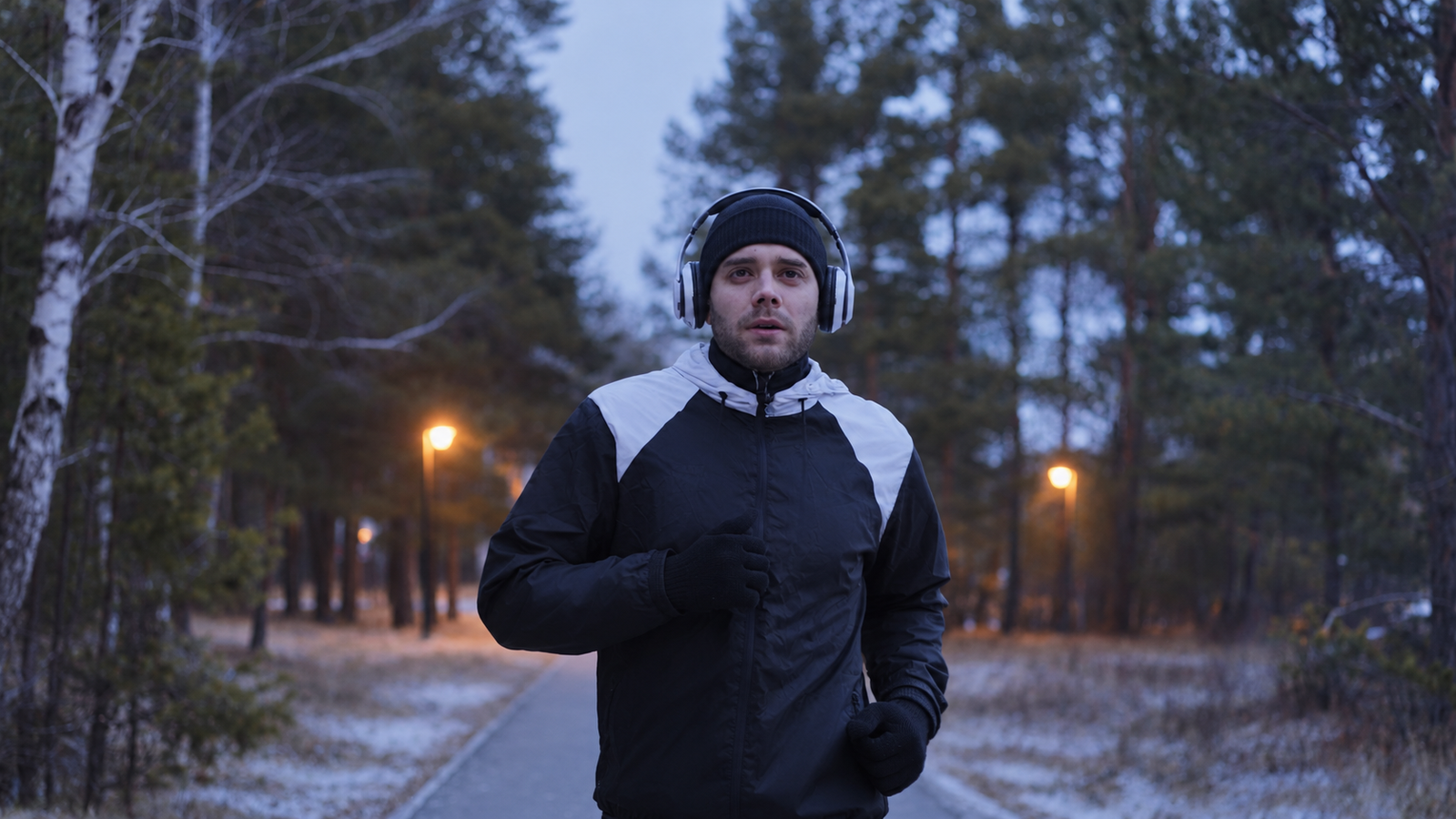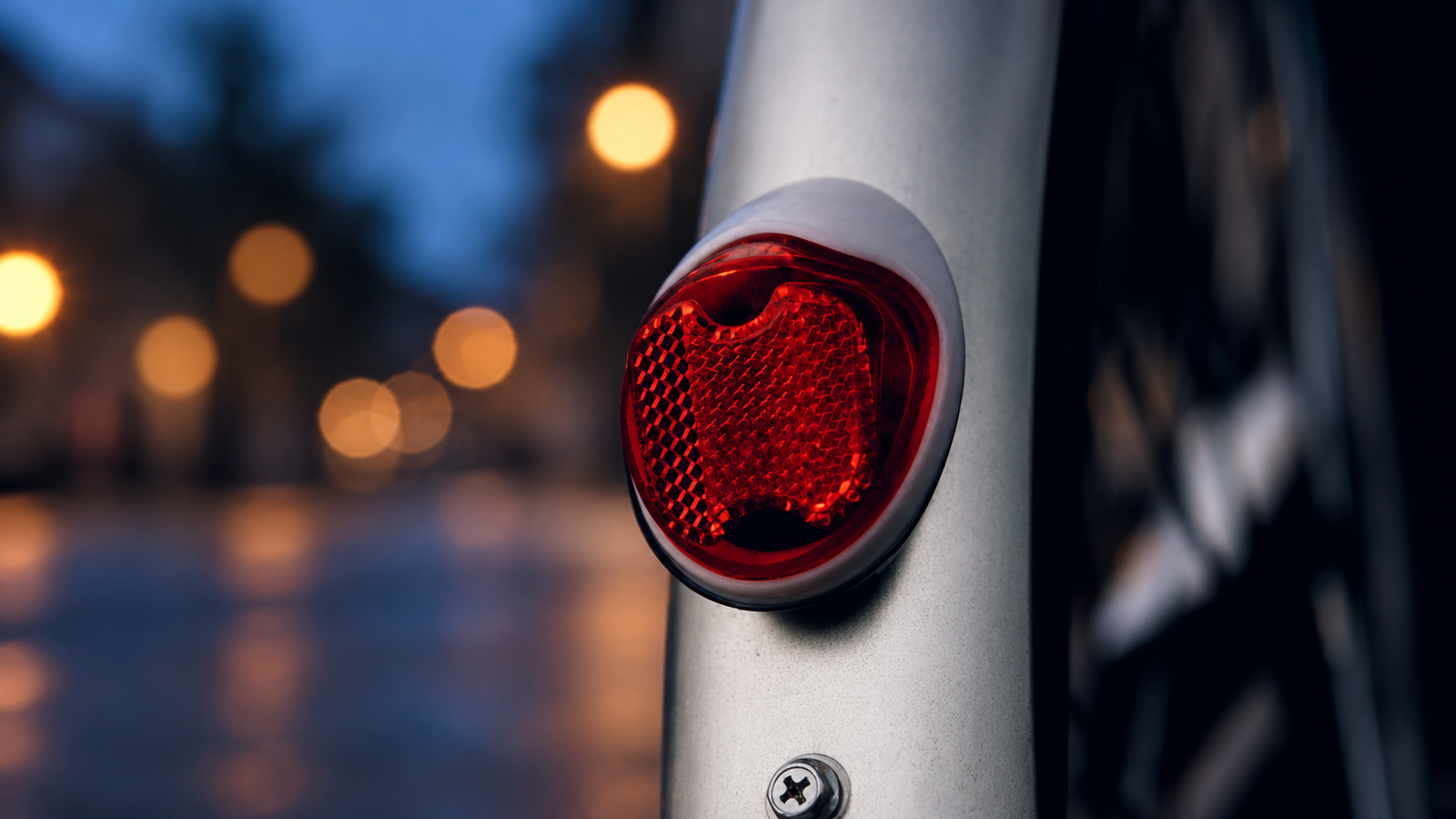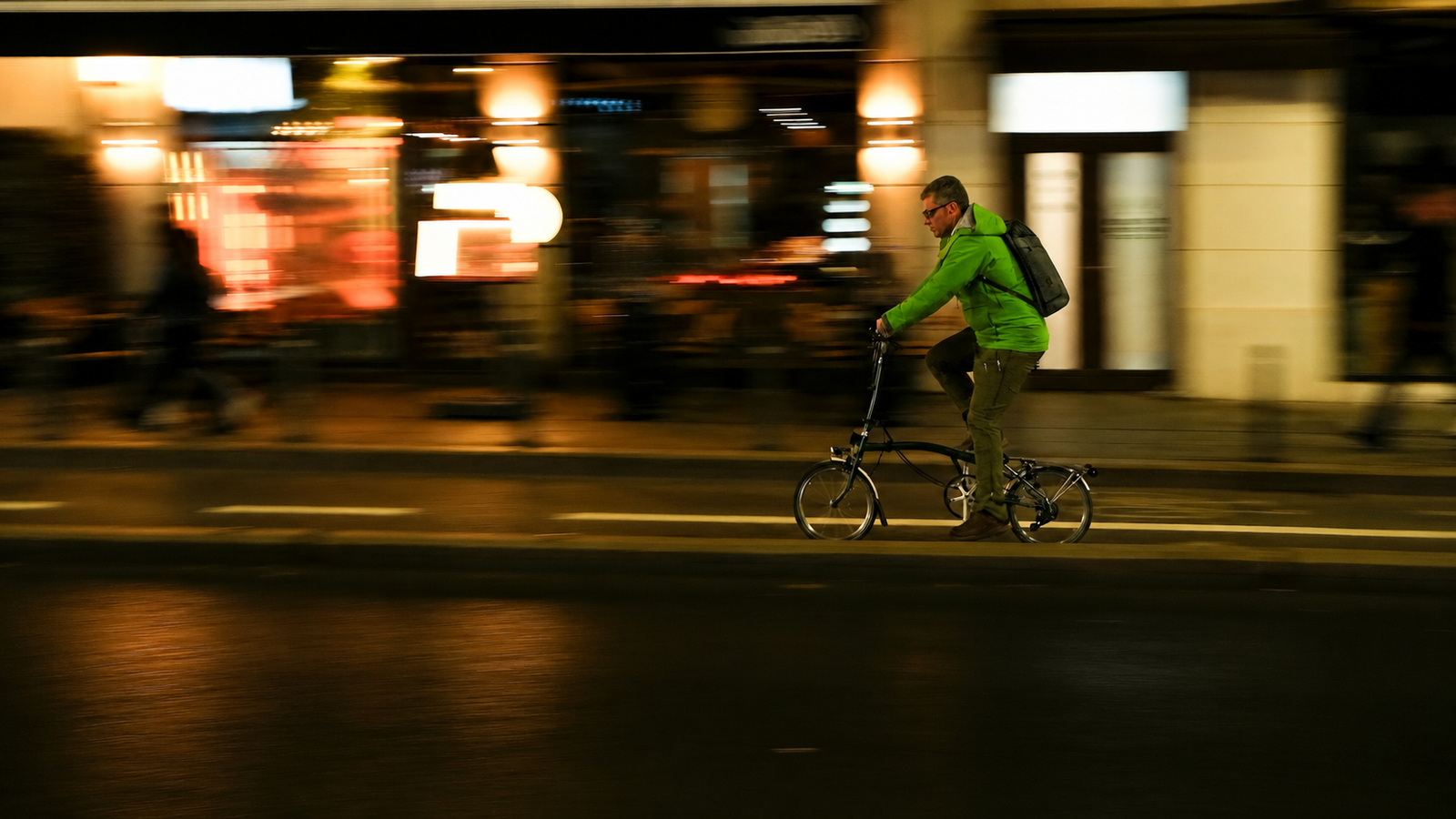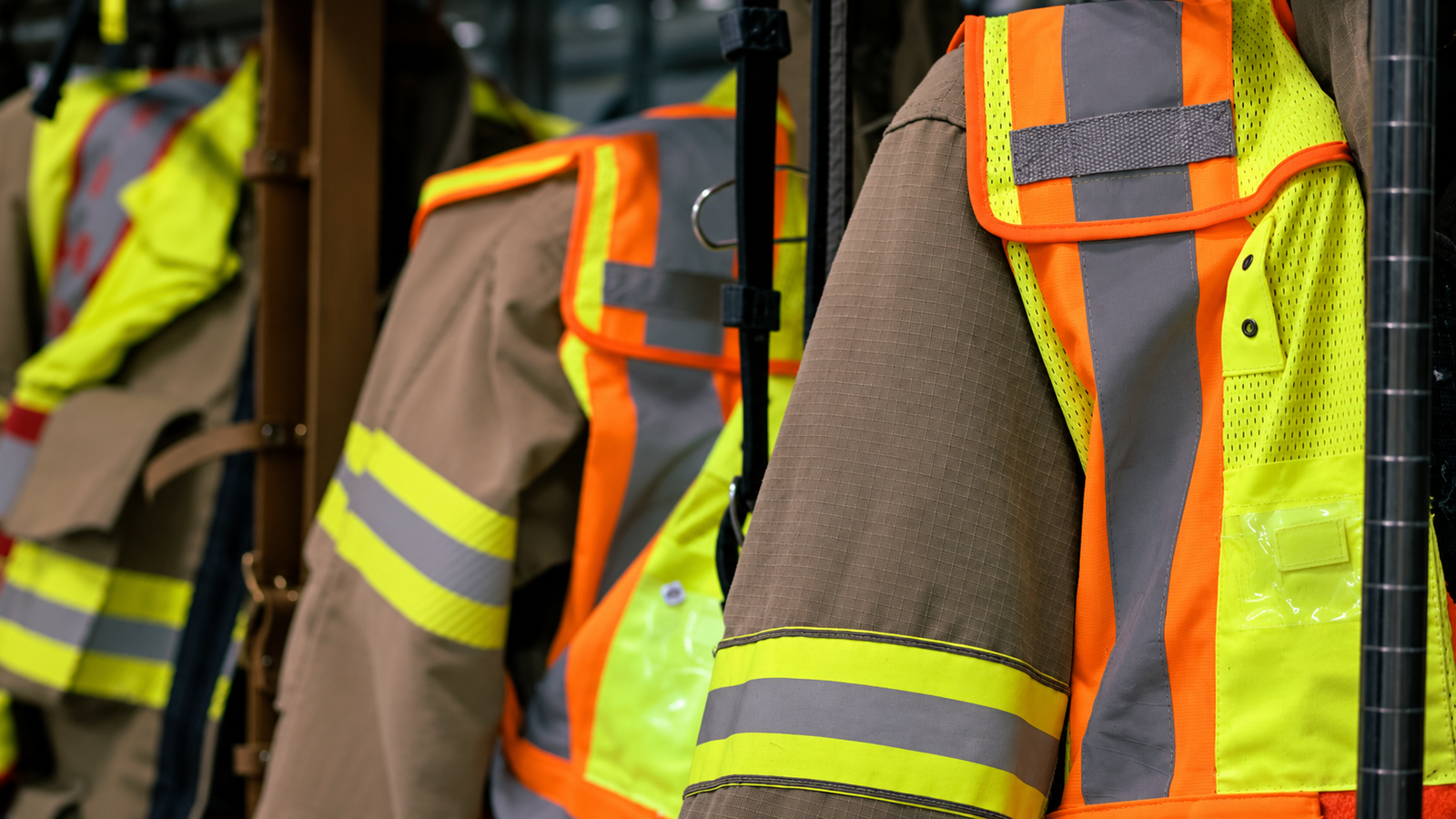
A reflective rain jacket is a waterproof shell with retroreflective trims, prints or panels, so the wearer stays dry and is seen in headlights on dark, wet days. Rain is exactly when visibility drops: windscreens fog, wipers sweep, road surfaces glare and pedestrians and cyclists in dark shells almost disappear. Getting both halves right, waterproofing and reflectivity, is harder than it looks, because the way you attach reflective material can damage the very thing that keeps water out.
This guide is for outdoor, cycling, commuter and children’s brands, retailers and corporate buyers sourcing reflective rain jackets for non-occupational use. It explains waterproof and breathability ratings, which shell fabrics work, how to add reflective material without creating leaks, and what to put in a sampling brief. If you are buying certified hi-vis rainwear for workers, read our hi-vis rain jacket buying guide for bulk orders instead.
Waterproof Ratings: What the Numbers Mean
Suppliers describe rain performance in several ways, and the figures are only comparable when the test method is the same.
- Hydrostatic head (water column): how much water pressure the fabric resists before it leaks, usually reported in millimetres and tested to ISO 811. It describes the fabric, not seams or zips.
- Water vapour resistance (Ret): breathability measured on a sweating hotplate to ISO 11092. Lower Ret means more breathable.
- Moisture vapour transmission (MVTR): another breathability figure in g/m²/24h, often to JIS L 1099. It uses a different method, so do not compare it directly with Ret.
- Spray rating: how well the outer face sheds water (the DWR finish), tested to ISO 4920. A good spray rating keeps the face from wetting out, which also helps breathability.
- EN 343: the European standard for protective clothing against rain classifies a garment’s water penetration resistance and its water vapour resistance, each on a scale of classes 1 to 4, with class 4 the best.
| Shell construction | Waterproofing | Breathability | Best for |
|---|---|---|---|
| PU-coated polyester or nylon | Good when seams are taped | Low to moderate | School, promotional and value commuter jackets |
| PVC or PU rainwear fabric | Very high | Very low | Short wear time, heavy rain, ponchos and capes |
| 2-layer laminate with lining | High | Moderate | City and everyday rain jackets |
| 2.5- or 3-layer membrane laminate | High | High | Cycling, running and active outdoor use |
Whatever the fabric, a jacket is only as waterproof as its seams, zips and openings. Taped seams, a storm flap or water-resistant zip, a peaked hood and adjustable cuffs matter as much as the fabric rating.

Adding Reflective Material Without Creating Leaks
This is the part most sampling briefs leave out. Every method of attaching reflective material affects the waterproof shell in a different way:
- Sewn reflective tape: durable and simple, but every stitch is a hole through the shell. On a waterproof jacket, stitched trims must be covered by seam tape on the inside, or placed only on areas that are already taped seams.
- Heat transfer film: no needle holes, light and flexible. The pressing temperature and time must suit the coating or membrane; too much heat can damage it. Ask for bond tests on the actual shell fabric, including after washing.
- Reflective seam tape and piping: reflective material built into seams or welted edges, so visibility is added where the jacket is already sealed.
- Reflective printing: reflective inks printed on the panel; good for graphics, usually less bright than film or tape.
- Reflective shell fabric: panels cut from waterproof reflective fabric, then seam-taped like the rest of the jacket. Check that the seam tape bonds well to the reflective face.
Our guide to reflective tape for clothing compares sewn and heat-applied methods in more detail.
Where to Place Reflective Details on a Rain Jacket
- Hood: the highest point of the body, and often the only part visible above a car bonnet or behind a bike handlebar.
- Sleeves and cuffs: moving arms help drivers recognise a person, and cyclists signal with their arms.
- Back and shoulders: faces traffic coming from behind; extend the jacket’s back or add a drop tail for cyclists.
- Front and sides: horizontal bands or piping for oncoming traffic and crossings.
Add fluorescent colour if the jacket will be worn in grey daylight as well as at night. For accessories that keep a rider’s pack visible, see our waterproof reflective backpack cover, and for legs, waterproof reflective leg gaiters.

Do Reflective Rain Jackets Need Certification?
A jacket sold simply as “reflective” does not need certification, but it must not claim a standard it has not passed. For consumer products in Europe, EN 17353 covers enhanced-visibility equipment for non-occupational users such as cyclists, walkers and runners, with Type A (retroreflective, for darkness), Type B (fluorescent, for daylight) and Type AB (both). Rain performance can be tested and claimed separately, for example to EN 343. Our men’s reflective jacket guide explains how EN 17353 differs from occupational EN ISO 20471.
Sampling Brief for a Reflective Rain Jacket
- User and use: commuting, cycling, school, hiking or events; climate and typical rain intensity.
- Shell: fabric type, layers, colour, waterproof and breathability targets with the test methods.
- Construction: fully taped or critical seams taped, zip type, hood design, vents, cuffs and hem.
- Reflective layout: a sketch showing each reflective area and the attachment method for each.
- Standards: EN 17353 type, EN 343 classes, or neither; which tests are needed before bulk.
- Care and durability: the care label you want and the wash tests the reflective and the seams must pass.
- Branding and packing: logo method, hangtags and whether the jacket packs into a pocket.
Related YOLITE products include the 4-in-1 waterproof reflective jacket and the reflective cycling jacket.
Frequently Asked Questions
Is a reflective rain jacket fully waterproof?
Only if the fabric, seams, zips and reflective trims are all sealed. A waterproof fabric with untaped stitching or sewn-on trims can still leak, so ask for a garment-level rain test as well as the fabric rating.
Do reflective trims reduce breathability?
Large solid reflective areas do not breathe, so they reduce airflow locally. Segmented tape, perforated film or reflective prints keep more of the shell breathable.
How should reflective rain jackets be washed?
Wash gently at low temperature, avoid fabric softener and bleach, and do not iron reflective areas. Follow our reflective jacket washing guide when writing care labels.
Can a rain jacket be both fashionable and reflective?
Yes. Dark or coloured shells can use coloured reflective film, tonal prints or piping that look discreet by day and light up at night.
Can YOLITE make private-label reflective rain jackets?
Yes. Share your design, shell fabric, reflective layout and target market, and we will confirm MOQ, sampling, testing options and lead time.
Request a Reflective Rain Jacket Quote
Tell YOLITE who will wear the jacket, the weather they face and where it will be sold. We can review shell fabrics, seam construction, reflective materials and branding for your order. Contact us with your tech pack or reference sample.
Sources and Scope
1. European Committee for Standardization (CEN), “EN 343:2019 — Protective clothing — Protection against rain.”
2. ISO 811 (determination of resistance to water penetration — hydrostatic pressure test), ISO 11092 (measurement of thermal and water-vapour resistance — sweating guarded-hotplate test) and ISO 4920 (resistance to surface wetting — spray test).
3. European Committee for Standardization (CEN), “EN 17353:2020 — Protective clothing — Enhanced visibility equipment for medium risk situations.”
This article is a procurement guide, not a substitute for the complete standards or for testing by an accredited laboratory. Requirements can vary by market, product type and standard edition.

AUTHOR
Jack Lee
Founder · Yolite Industrial Co., Ltd.
Reflective-products specialist since 2003, focused on reflective materials, high-visibility apparel, OEM customization, and practical product development for international buyers.