A men’s reflective jacket is an outer jacket cut for men that carries retroreflective tape, piping, prints or fabric so the wearer stands out in vehicle headlights after dark. It covers everything from a certified Class 3 work jacket to a slim city commuter shell with a few reflective details. For a brand or distributor, the first job is to decide which of those you are actually selling, because that choice drives fabric, tape, testing and price.
This guide is for sportswear and outdoor brands, cycling retailers, corporate gift buyers and workwear distributors sourcing reflective jackets for men. It focuses on winter commuting: walking, cycling and riding scooters in the dark months, when most commutes start or end at night.
Which Kind of Men’s Reflective Jacket Are You Sourcing?
Three product families are sold under the same search term. They look similar online but are built and tested very differently.
| Type | Typical buyer | Visibility basis | Key trade-off |
|---|---|---|---|
| Lifestyle commuter jacket | Fashion, outdoor and cycling brands | Reflective details, no class claim | Looks good off the bike, limited daytime visibility |
| Enhanced-visibility jacket (EN 17353) | Commuter, cycling and public-safety programmes in Europe | Tested for non-occupational, medium-risk use | More reflective area, needs certification |
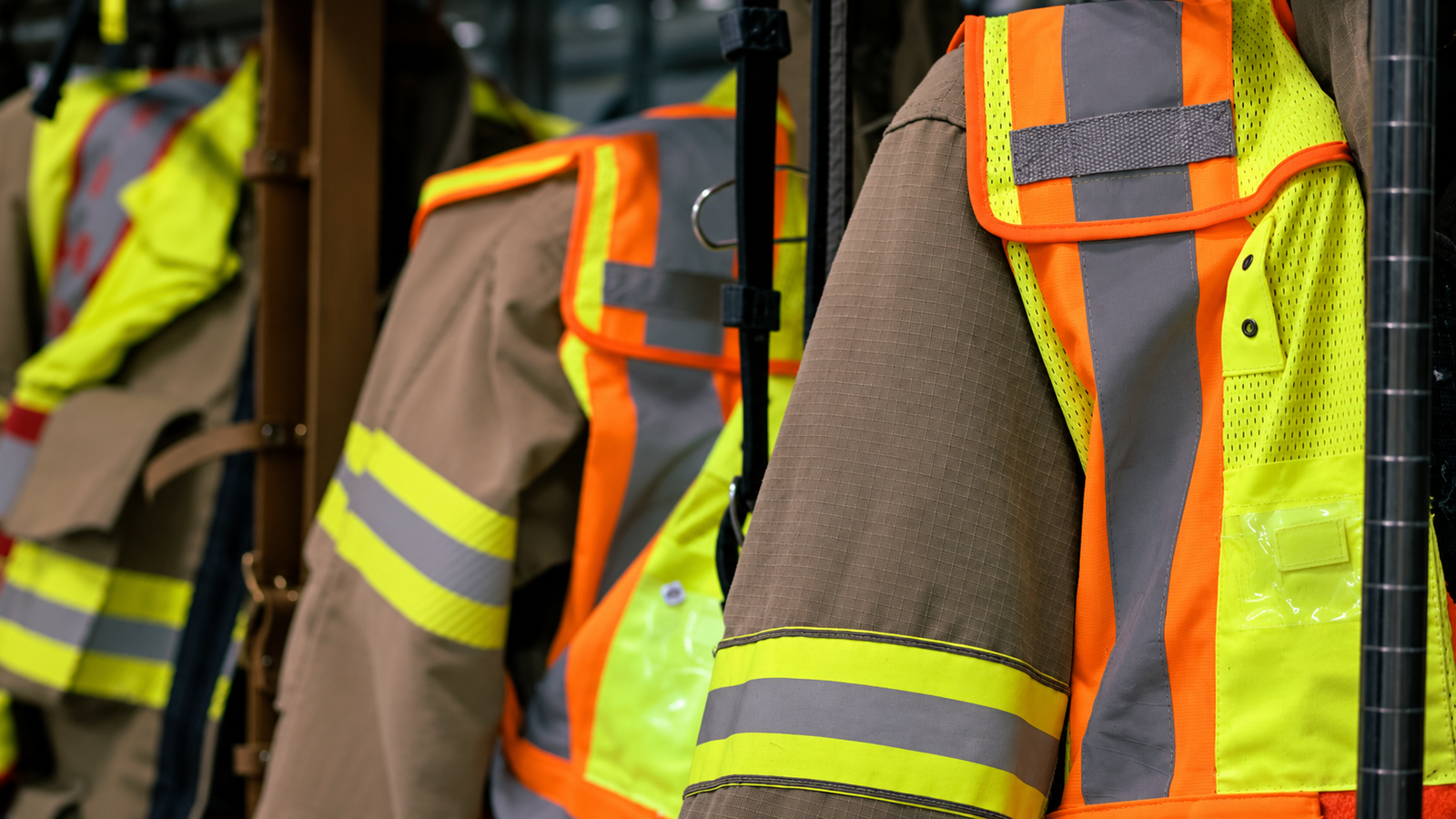
| Certified hi-vis work jacket | Contractors, utilities, road crews | EN ISO 20471 or ANSI/ISEA 107 class | Large fluorescent area, workwear styling |
If your customers wear the jacket at work, start with our guide on how to choose a reflective jacket for work and the hi vis winter jacket buyer’s guide. The rest of this article concentrates on commuter and lifestyle jackets.
What Makes a Good Men’s Reflective Commuter Jacket?
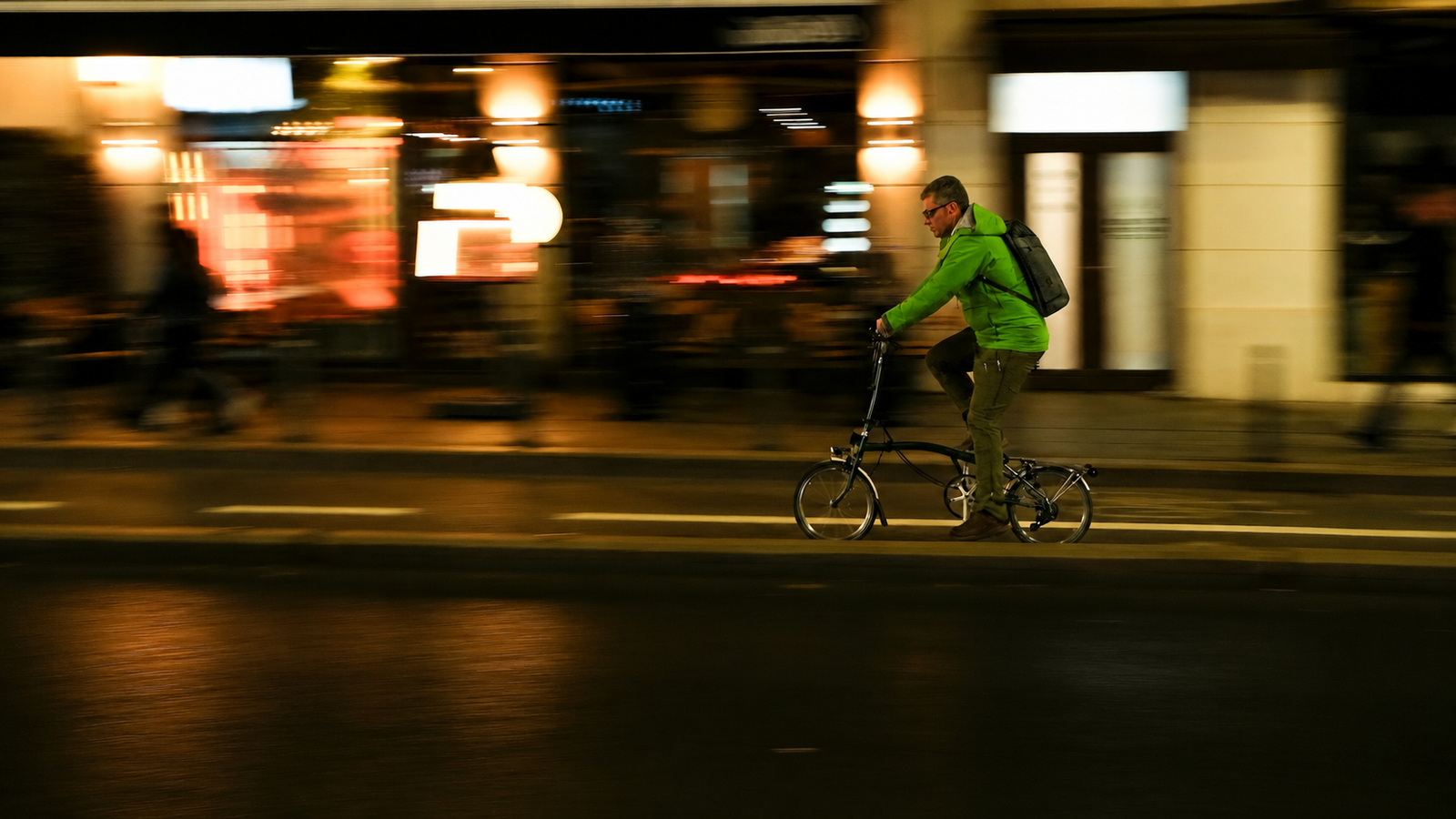
Men buying a commuter jacket want something they can wear to the office, not only on the bike. The design brief usually balances four things:
- Visibility where drivers look: reflective areas on the sleeves, shoulders and back, because moving arms and the outline of the shoulders help drivers recognize a person.
- Weather protection: a windproof, water-resistant or waterproof shell with a hood that fits over or under a helmet.
- Movement: a dropped back hem, articulated sleeves and a cut that does not ride up when leaning forward.
- Everyday styling: darker base colors with reflective details that look discreet in daylight and light up at night.
The last point is the main difference from workwear. A black or navy jacket with reflective piping can look smart, but it relies entirely on headlights. A fluorescent jacket is easier to see in daylight and at dusk. Many brands offer both, or use fluorescent panels on the back and sleeves only.
Which Reflective Materials Work Best on Men’s Jackets?
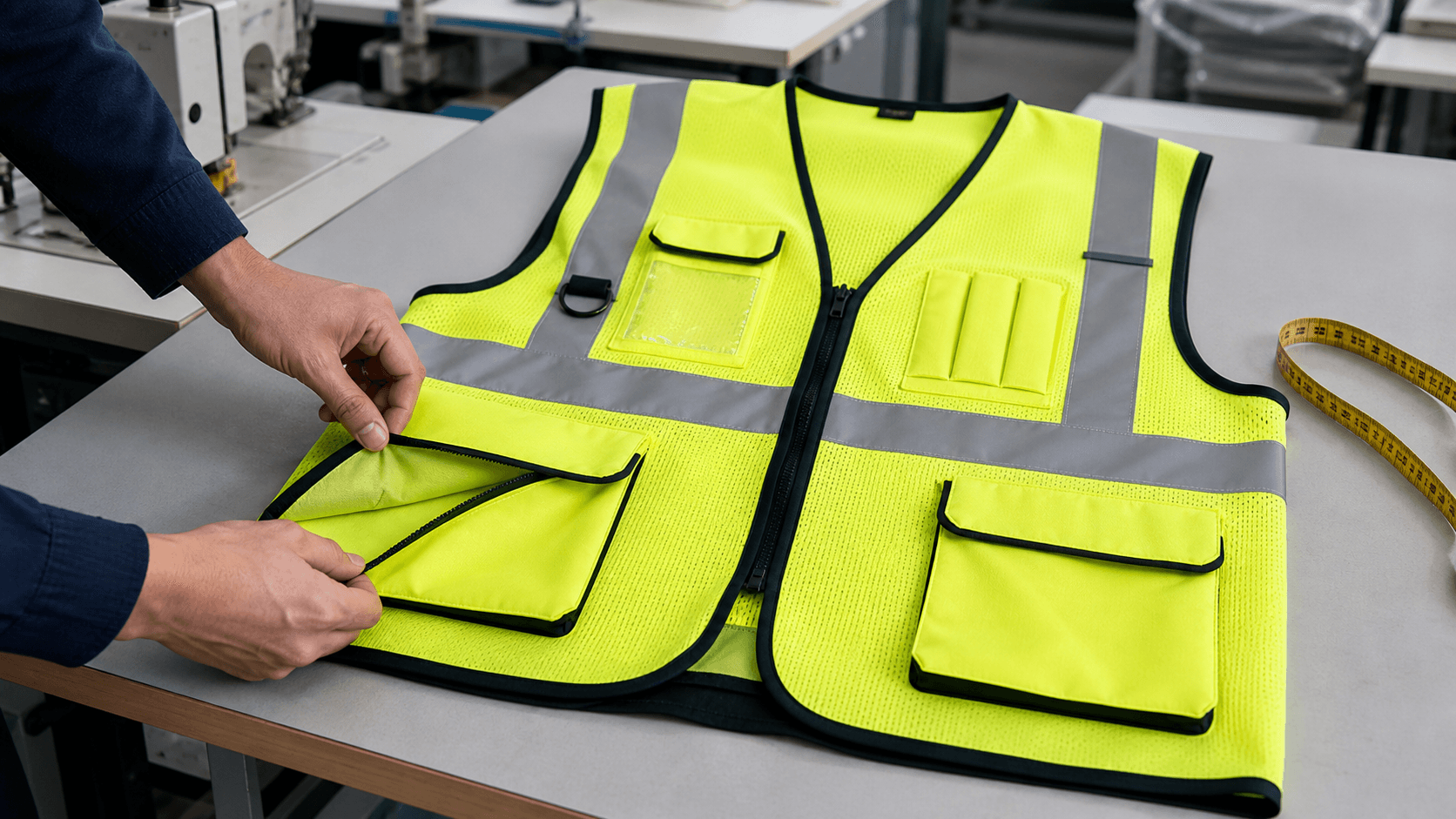
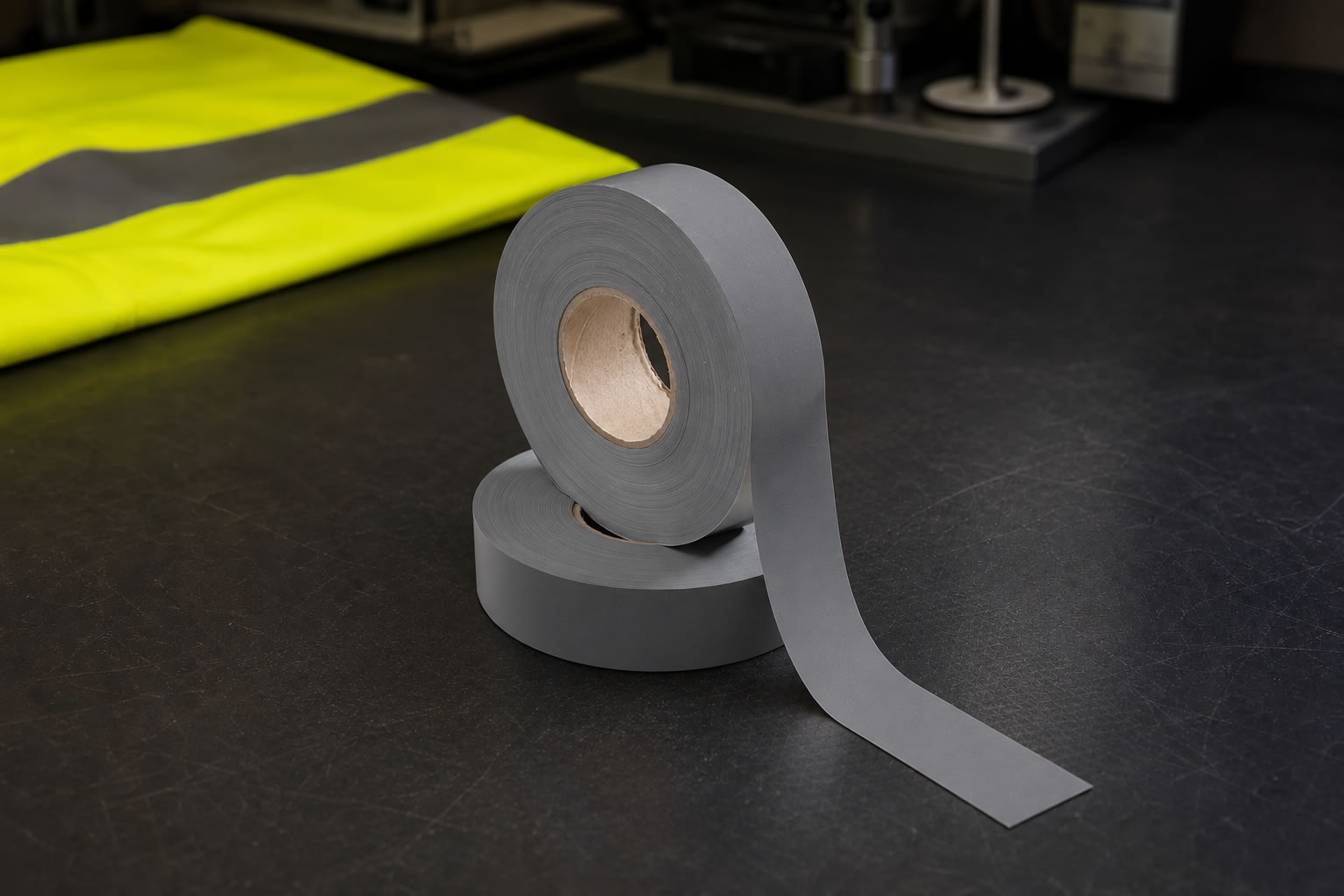
- Sewn reflective tape: durable and bright, best on workwear-style jackets and heavier shells.
- Segmented heat transfer tape: flexes and breathes on softshells and stretch fabrics, and suits sporty commuter designs.
- Reflective piping and zip tape: discreet lines along seams and closures; see why a reflective zip is an easy upgrade.
- Reflective prints and logos: brand graphics that double as visibility features.
- All-over reflective fabric or yarn: fabric that looks grey or black by day and turns bright under headlights; see reflective yarn vs reflective thread.
Do Men’s Reflective Jackets Need a Standard?
A lifestyle jacket sold as “reflective” does not need a visibility certificate, but it must not claim a class or standard it has not passed. If you want a verifiable claim, three standards are relevant:
- EN 17353:2020 covers enhanced-visibility equipment for non-occupational users in medium-risk situations, such as cyclists, walkers and runners. It defines Type A for dark conditions (retroreflective), Type B for daylight (fluorescent) and Type AB for both. Our article on EN ISO 20471 vs EN 17353 explains the difference.
- EN ISO 20471 applies to occupational high-visibility clothing in Europe, the UK and many other markets.
- ANSI/ISEA 107-2020 applies to high-visibility safety apparel in the United States, with Type O, R and P garments and performance classes.
For a men’s commuter range sold in Europe, EN 17353 Type AB is often the most useful claim, because it covers the dusk and dark conditions in which most winter commutes happen.
Winter Features to Specify for a Men’s Reflective Jacket
- Shell: windproof softshell, water-resistant woven or fully waterproof laminate with taped seams.
- Insulation: unlined, light padding or a zip-in liner for colder markets.
- Hood: helmet-compatible, adjustable, with reflective trim on the back.
- Cuffs and hem: adjustable cuffs, a longer back panel and a drawcord hem to keep wind out.
- Pockets: zipped chest pocket for a phone, inside pocket for a wallet or pass.
- Sizing: men’s size chart with room for layers; confirm grading on the smallest and largest sizes.
- Care: wash temperature and cycle count the reflective trim is rated for.
See our reflective cycling jacket and the reflective winter jacket for men and women for example constructions, or browse the full reflective jacket range.
Five Checks Before Approving a Sample
- Photograph the jacket with a flash in a dark room: are the sleeves, shoulders and back all lit?
- Ride or walk in it: does the back hem cover the lower back, and do sleeves stay over the wrists?
- Wash it to the label instructions several times and check for tape lifting, cracking or dulling.
- Check that no hangtag or product page claims a standard the jacket has not been tested to.
- Confirm color fastness on fluorescent panels next to dark fabric.
Frequently Asked Questions
Is a black reflective jacket safe for night commuting?
It helps once headlights hit the reflective areas, but a black jacket gives little visibility at dusk or in daylight. Fluorescent panels or an EN 17353 Type AB design give better all-round visibility.
What is the difference between a reflective jacket and a hi-vis jacket?
“Reflective” describes material that returns light to its source. “Hi-vis” usually means a certified garment with both fluorescent and retroreflective material in measured amounts. A reflective jacket is not automatically hi-vis.
Where should reflective material be placed on a men’s jacket?
On the parts that move and define the human outline: sleeves and cuffs, shoulders, and the upper back. Small logos alone are much less effective than bands that outline the body.
Can a commuter jacket be both stylish and certified?
Yes. Designs can combine a darker body with fluorescent and reflective panels and still be tested to EN 17353. The test result depends on the measured areas and placement, so plan the layout before sampling.
Can YOLITE make private-label men’s reflective jackets?
Yes. Send your style, fabric, reflective layout, target market and any standard you need, and we will confirm MOQ, sampling and lead time for your project.
Request a Men’s Reflective Jacket Quote
Tell YOLITE who will wear the jacket, how they commute and where the jacket will be sold. We can review shell fabric, insulation, reflective materials, branding and packaging for your B2B order, or contact us directly with your tech pack.
Sources and Scope
1. European Committee for Standardization (CEN), “EN 17353:2020 — Protective clothing — Enhanced visibility equipment for medium risk situations — Test methods and requirements.”
2. International Organization for Standardization, “ISO 20471:2013 — High visibility clothing — Test methods and requirements.” https://www.iso.org/standard/30838.html
3. American National Standards Institute, “ANSI/ISEA 107-2020: High-Visibility Safety Apparel,” November 2, 2020. https://blog.ansi.org/ansi/ansi-isea-107-2020-high-visibility-apparel/
This article is a procurement guide, not a substitute for the complete standard, a workplace hazard assessment or advice from the authority responsible for your project. Requirements can vary by jurisdiction, contract, garment type, performance class and standard edition.

AUTHOR
Jack Lee
Founder · Yolite Industrial Co., Ltd.
Reflective-products specialist since 2003, focused on reflective materials, high-visibility apparel, OEM customization, and practical product development for international buyers.