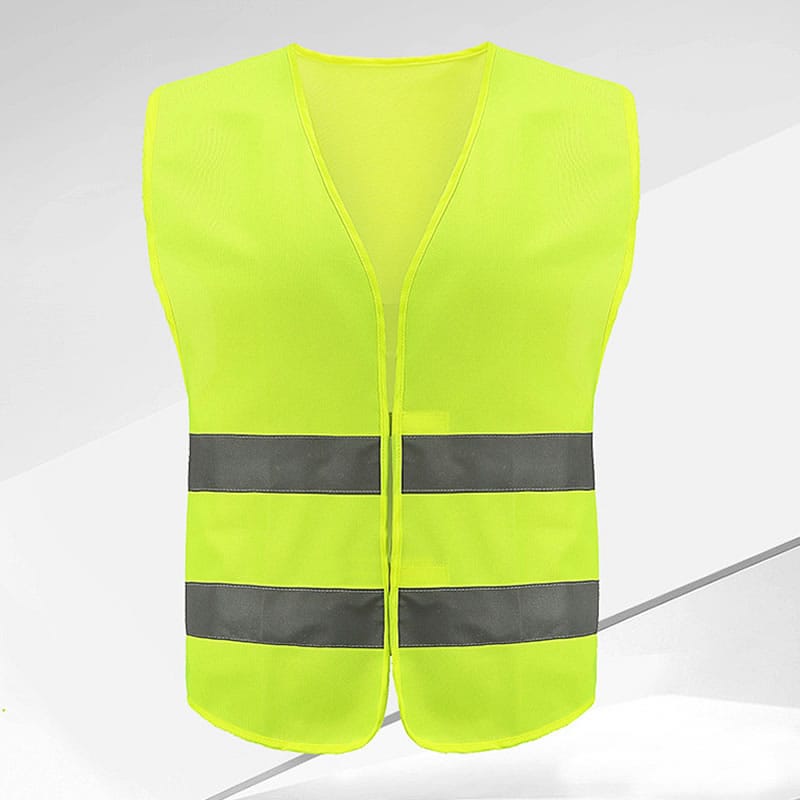
When it comes to reflective vests, understanding the right standard is essential for safety. EN ISO 20471 is the go-to standard for high-risk safety vests, while EN 17353 covers enhanced visibility gear for medium-risk environments. Within EN 17353, you’ll find categories like TYPE AB3 and TYPE B3, each designed for specific uses.
This guide breaks down the differences between these standards so you can confidently choose the best reflective vest for your needs.
What is EN ISO 20471?
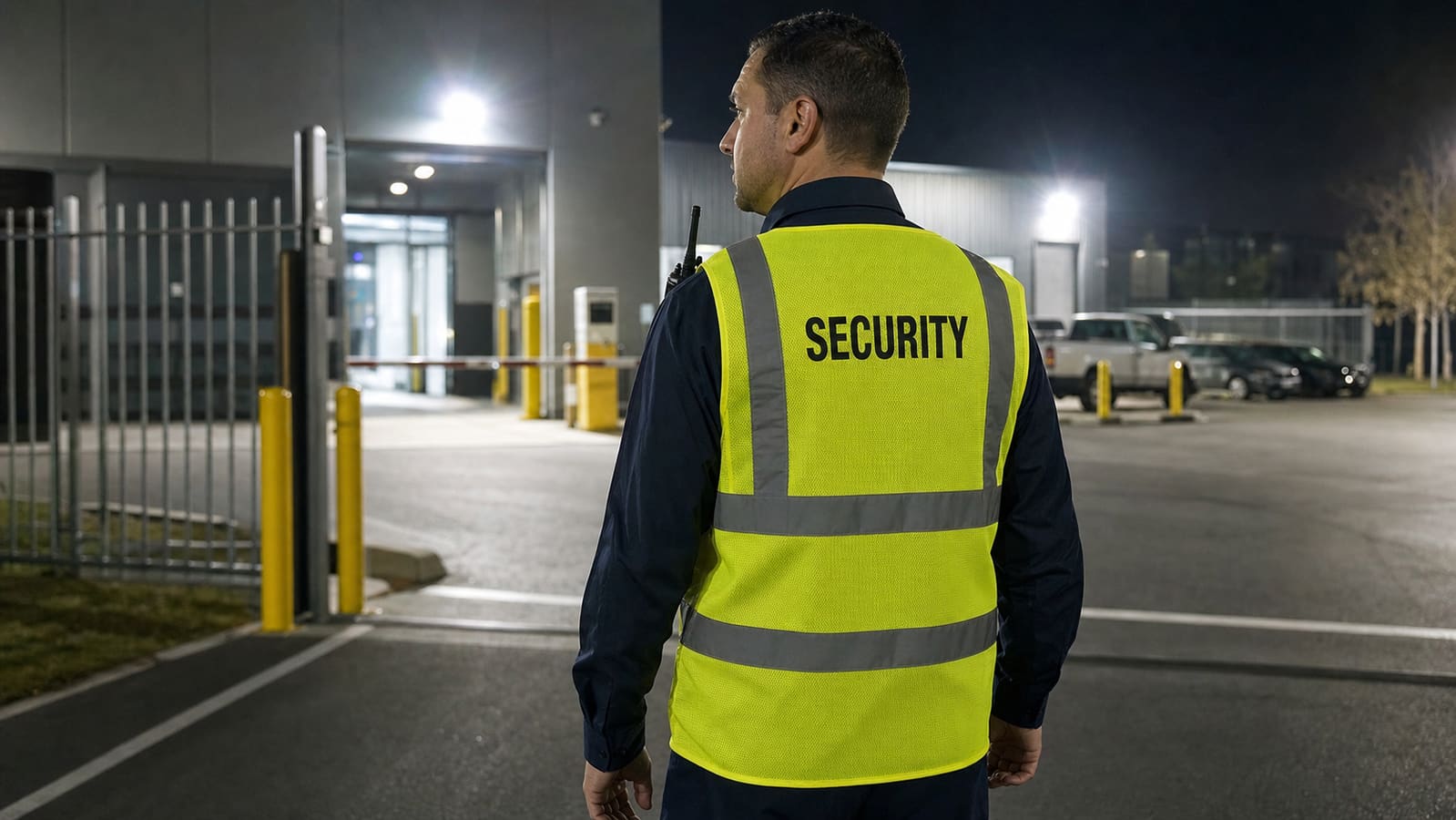
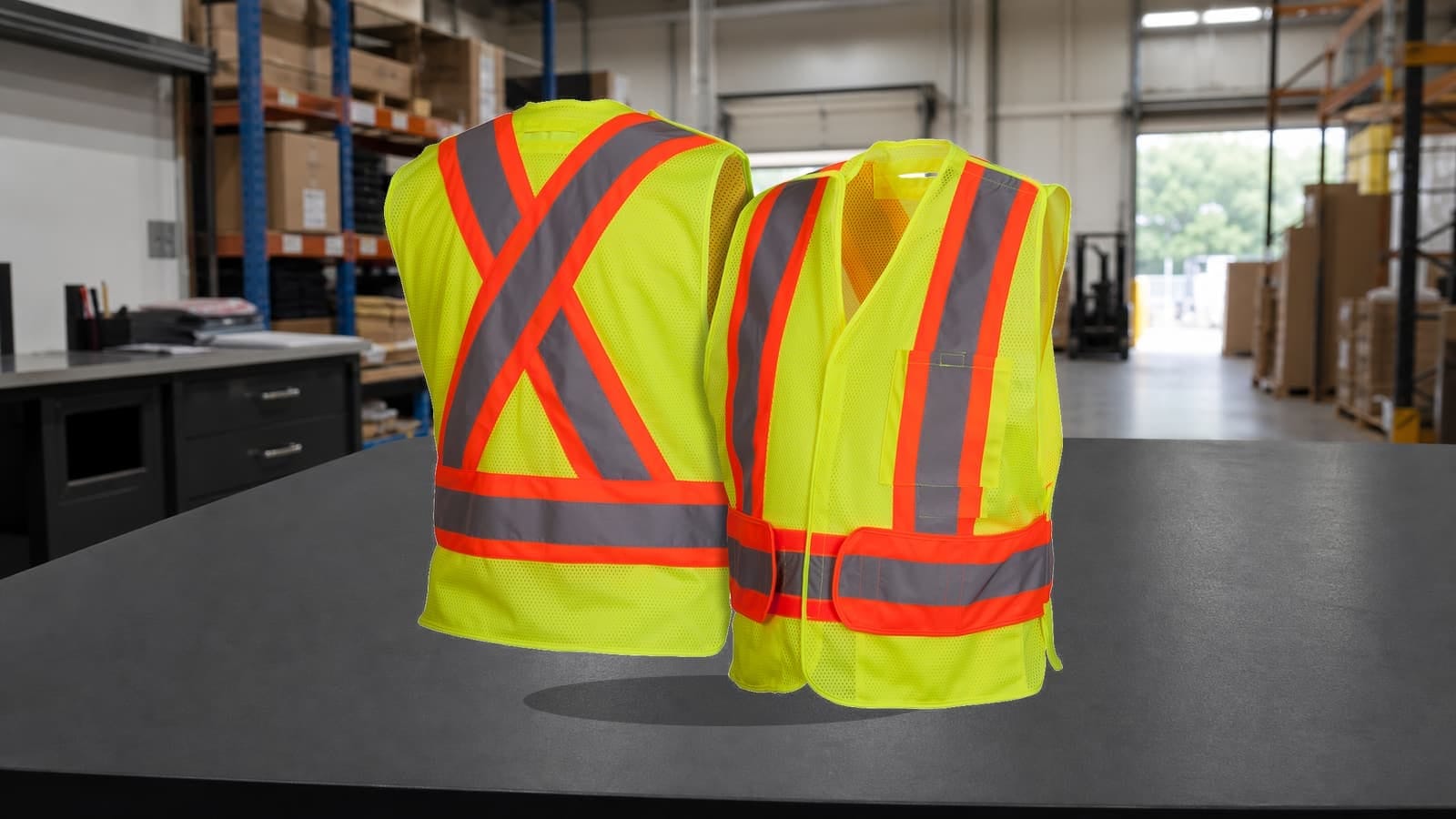
EN ISO 20471 is the European standard for high-visibility clothing used in high-risk situations like construction sites, highways, and railways. It ensures maximum visibility during the day, twilight, and night.
Key Features of EN ISO 20471
- Designed for High-Risk Applications:
- Essential for workers exposed to fast-moving traffic or heavy machinery.
- Material Requirements:
- Fluorescent Material: Enhances visibility in daylight.

- Retroreflective Material: Ensures visibility in low-light or dark conditions when illuminated by headlights.
- Fluorescent Material: Enhances visibility in daylight.
- Minimum Area Requirements (based on garment class):
- Class 3: 0.80 m² fluorescent, 0.20 m² retroreflective.
- Class 2: 0.50 m² fluorescent, 0.13 m² retroreflective.
- Class 1: 0.14 m² fluorescent, 0.10 m² retroreflective.
- 360° Visibility:
- Requires material placement for visibility from all sides.


EN ISO 20471 is strictly for safety vests and garments used in high-risk environments.
What is EN 17353?
EN 17353:2020 focuses on enhanced visibility equipment for medium-risk environments. Unlike EN ISO 20471, which is limited to safety vests, EN 17353 includes items like reflective vests, armbands, and accessories.
EN 17353:2020 Categories
- TYPE A:
- For daylight visibility using fluorescent materials only.
- Ideal for activities like hiking or jogging during the day.
- TYPE B:
- For visibility in dark conditions using retroreflective materials.
- Subcategories:
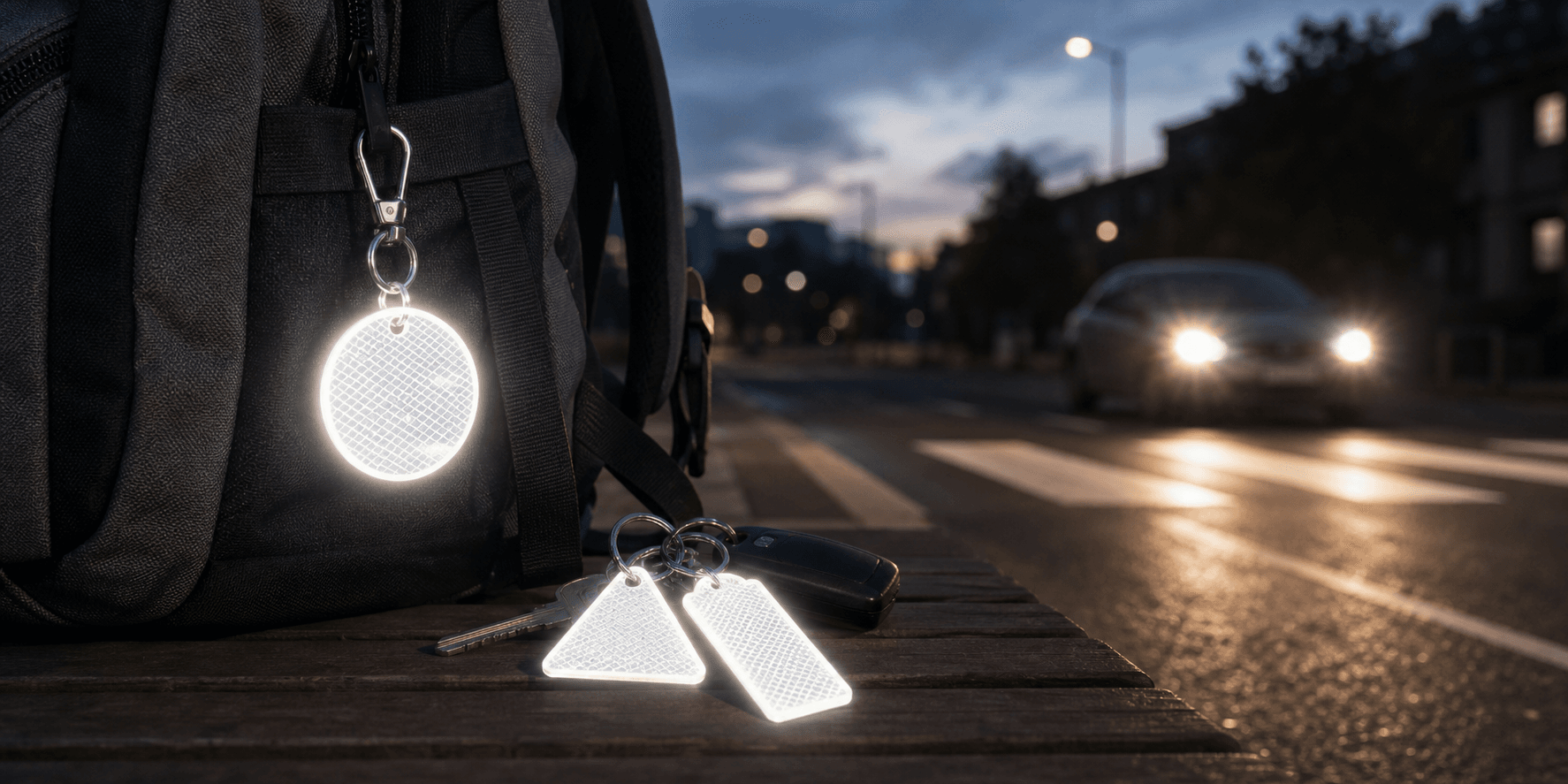
- B1: Free-hanging reflective devices (e.g., tags).
- B2: Reflective material on limbs for movement recognition.
- B3: Reflective material on the torso or torso and limbs for form recognition.
- TYPE AB:
- Combines TYPE A and TYPE B for visibility in daylight, twilight, and dark conditions.
- Subcategory AB3 focuses on reflective vests with fluorescent and retroreflective materials.
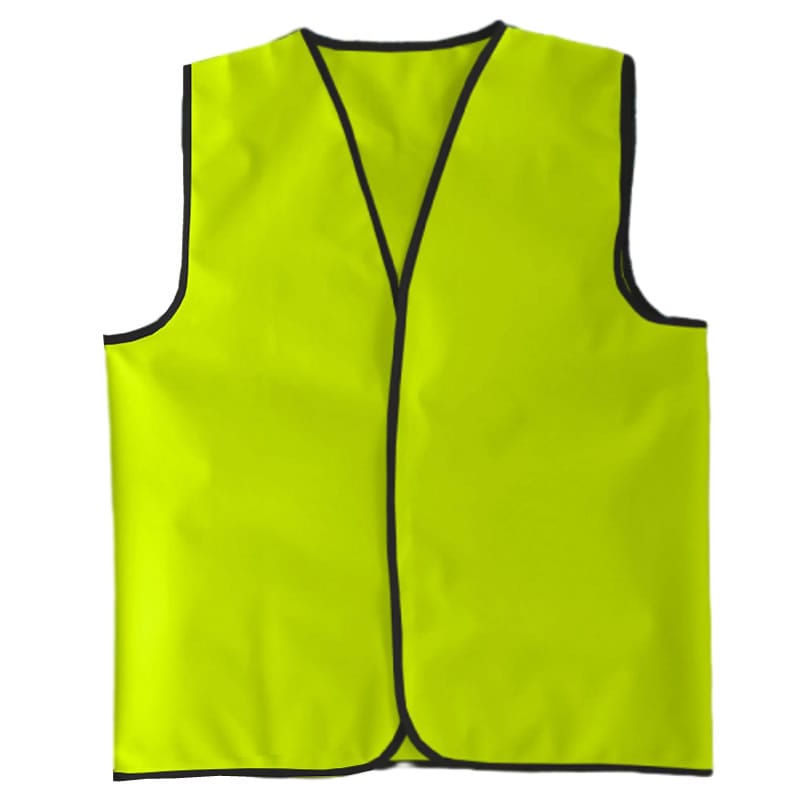
What is EN17353:2020 TYPE AB3?
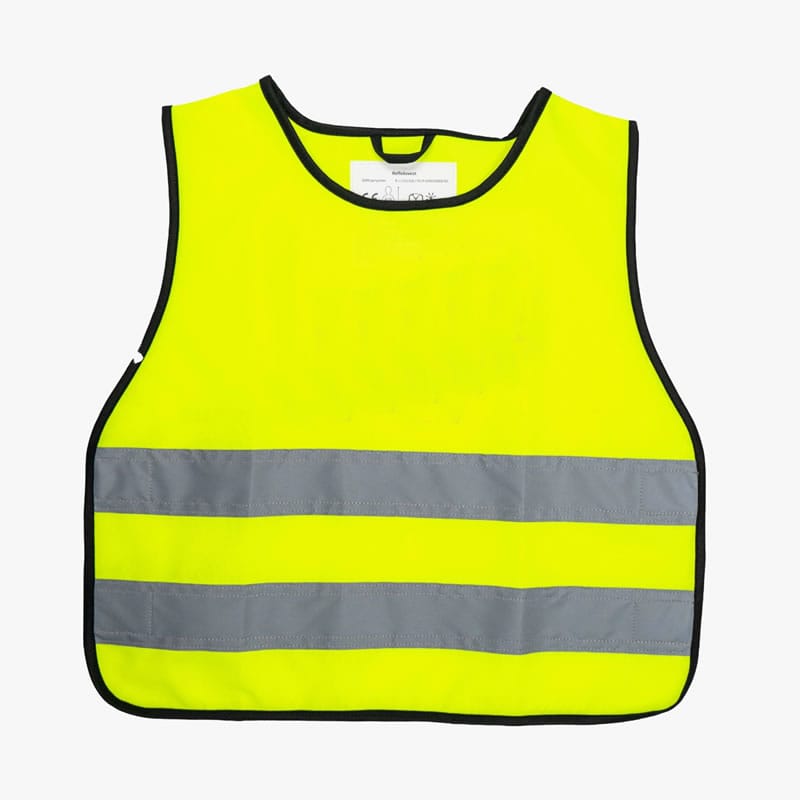
TYPE AB3 combines fluorescent and retroreflective materials for visibility in all light conditions.
Key Features of TYPE AB3
- Material Requirements:
- Fluorescent material: 0.24 m² (for users taller than 140 cm).
- Retroreflective material: 0.08 m² (for users taller than 140 cm).
- 360° Visibility:
- At least 40% of the material must be visible from the front and back, and 10% from the sides.
- Applications:
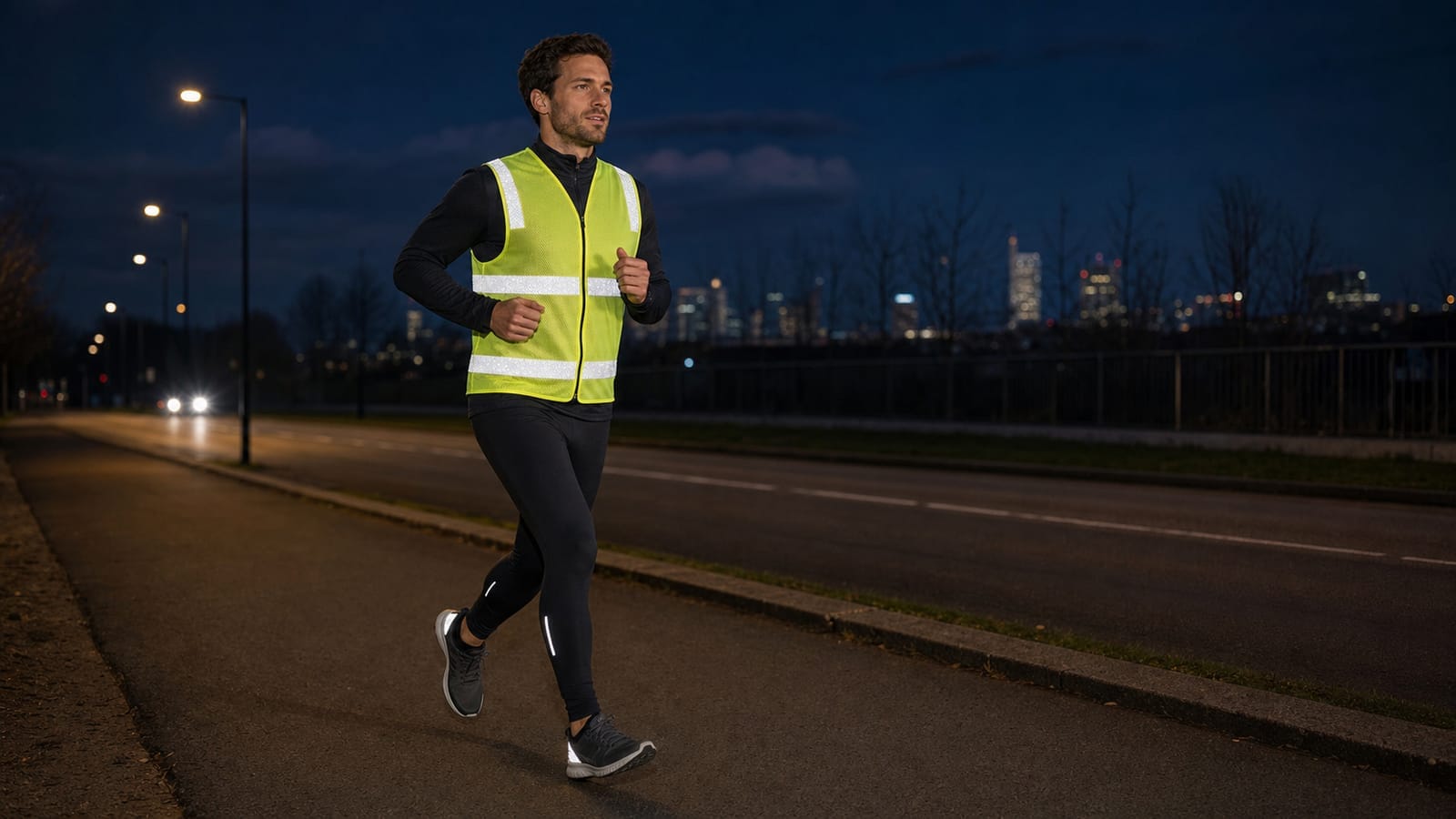
- Perfect for cyclists, joggers, and commuters who need visibility throughout the day.
What is EN17353:2020 TYPE B3?
TYPE B3 focuses solely on retroreflective materials, ensuring visibility in dark conditions.
Key Features of TYPE B3
- Material Requirements:
- Retroreflective material: 0.08 m² (for users taller than 140 cm).
- 360° Visibility:
- Same as TYPE AB3: 40% from the front and back, and 10% from the sides.
- Applications:
- Ideal for nighttime activities like cycling or jogging.
Comparison of EN ISO 20471 and EN 17353 Vests
Here’s a side-by-side comparison of the two standards, including material area requirements:
| Feature | EN ISO 20471 | EN 17353 TYPE AB3 | EN 17353 TYPE B3 |
|---|---|---|---|
| Risk Level | High-risk situations | Medium-risk situations | Medium-risk situations |
| Target Users | Professionals (e.g., road workers) | General users (e.g., cyclists, joggers) | General users (e.g., nighttime cyclists) |
| Light Conditions | Daylight, twilight, and dark | Daylight, twilight, and dark | Dark conditions only |
| Material Requirements | Fluorescent + retroreflective | Fluorescent + retroreflective | Retroreflective only |
| Minimum Fluorescent Area | Class 3: 0.80 m² Class 2: 0.50 m² Class 1: 0.14 m² | 0.24 m² (for users >140 cm) | Not applicable |
| Minimum Retroreflective Area | Class 3: 0.20 m² Class 2: 0.13 m² Class 1: 0.10 m² | 0.08 m² (for users >140 cm) | 0.08 m² (for users >140 cm) |
| 360° Visibility | Required (minimum material placement for front, back, and sides) | Required (40% from front/back, 10% from sides) | Required (40% from front/back, 10% from sides) |
| Applications | Safety vests for construction, highways, and railways | Reflective vests for all light conditions | Reflective vests for nighttime use |
| Design Restrictions | Strict (specific placement and minimum areas) | Flexible (placement as long as minimum areas are met) | Flexible (placement as long as minimum areas are met) |
| Other Items Covered | Only safety vests | Includes vests, armbands, and accessories | Includes vests, armbands, and accessories |
When to Choose EN ISO 20471, EN 17353 TYPE AB3, or TYPE B3?
Selecting the right reflective vest depends on your environment, risk level, and activity type. Here’s how to decide:
Choose EN ISO 20471 if:
- You work in high-risk environments, such as construction sites, highways, or railways.
- You are exposed to fast-moving traffic or heavy machinery.
- You need maximum visibility in daylight, twilight, and dark conditions.
- Compliance with strict safety regulations is required (e.g., for professional workers).
Choose EN 17353 TYPE AB3 if:
- You need visibility in all light conditions: daylight, twilight, and dark.
- You are involved in medium-risk activities, such as jogging, cycling, or commuting.
- Your environment requires fluorescent material for daytime visibility and retroreflective material for nighttime visibility.
- You want a versatile vest that covers a wide range of outdoor activities.
Choose EN 17353 TYPE B3 if:
- Your activity is primarily in dark conditions or at night.
- You need a vest focused solely on retroreflective materials for visibility under headlights or other artificial light sources.
- You’re a nighttime cyclist, runner, or walker who doesn’t require fluorescent material for daylight visibility.
Choosing the right reflective vest depends on your environment and activity. EN ISO 20471 is ideal for professionals in high-risk zones, while EN 17353 TYPE AB3 offers all-day visibility for cyclists, joggers, and commuters. For nighttime-only use, TYPE B3 is a great option.
Understanding these standards ensures you stay safe and visible, no matter where or when you need it.
Customize Your Reflective Vests !
As a factory, we specialize in creating customized reflective vests tailored to your specific needs. Whether you need EN ISO 20471 or EN 17353-compliant designs, we’ve got you covered.
👉 Contact Us Today to discuss your requirements and get started on your custom reflective vests!
Stay safe, stay visible—designed just for you!