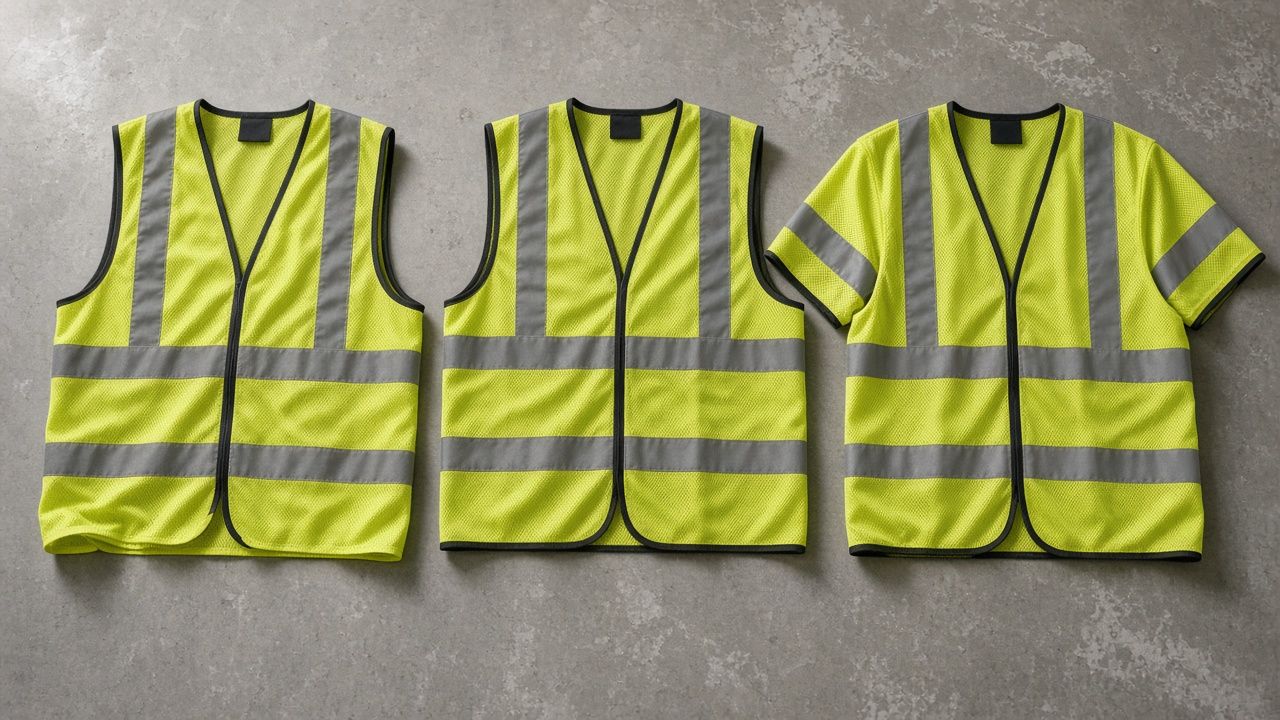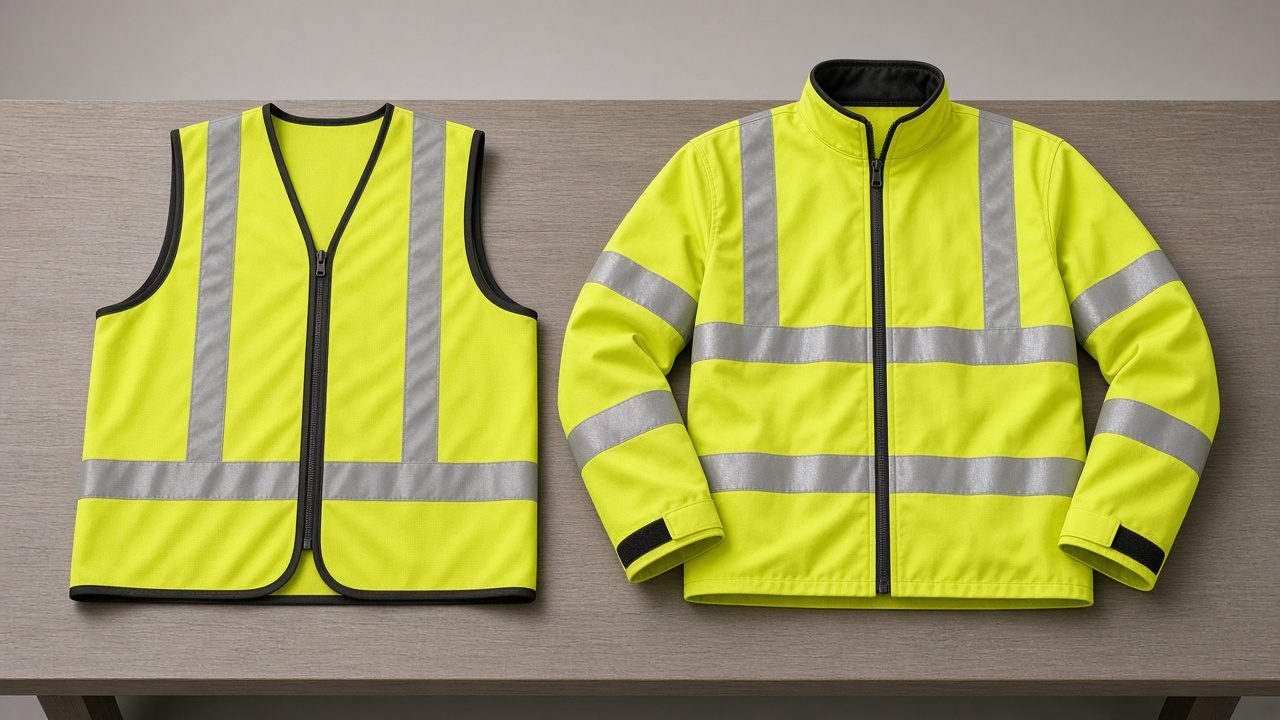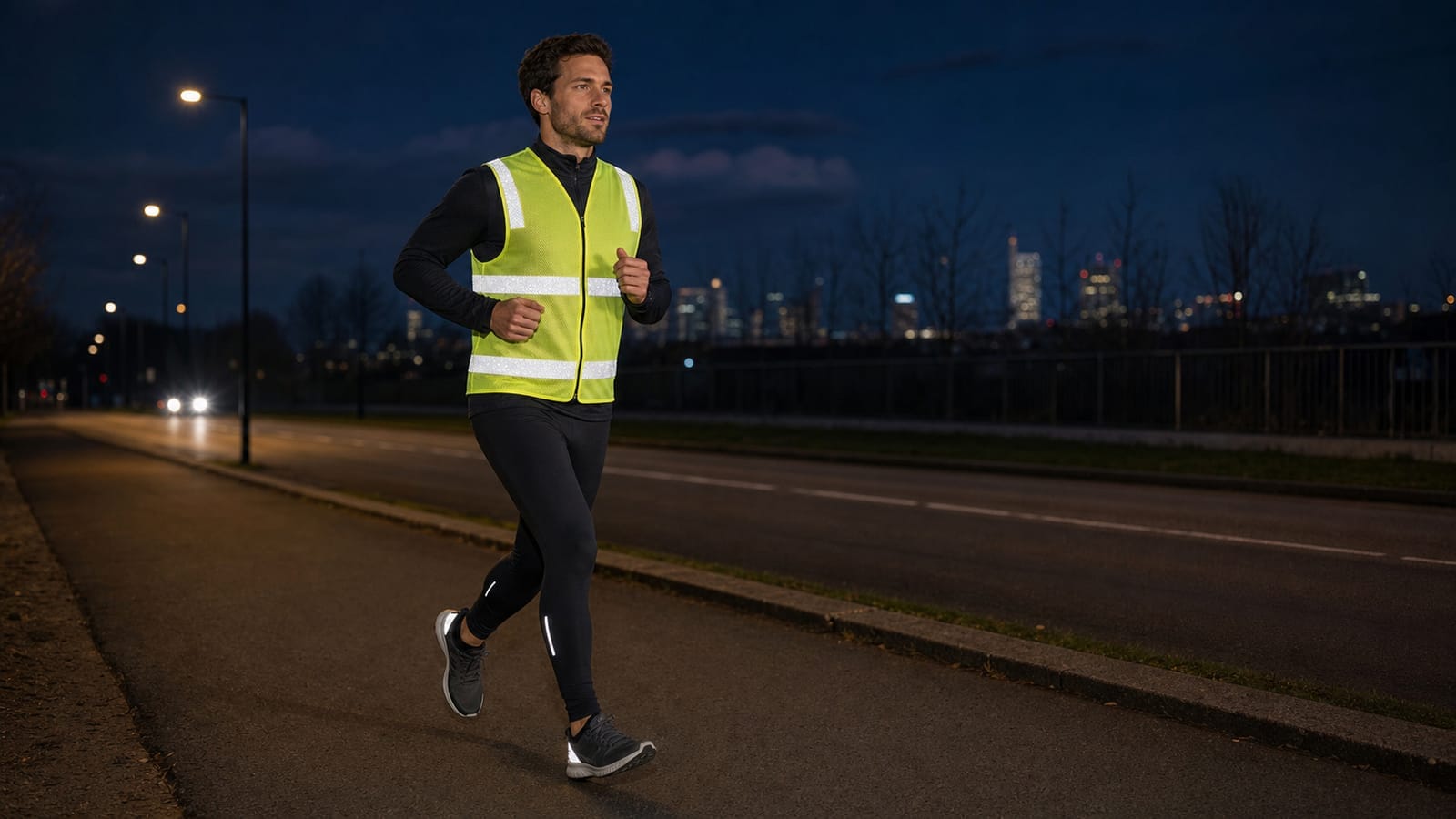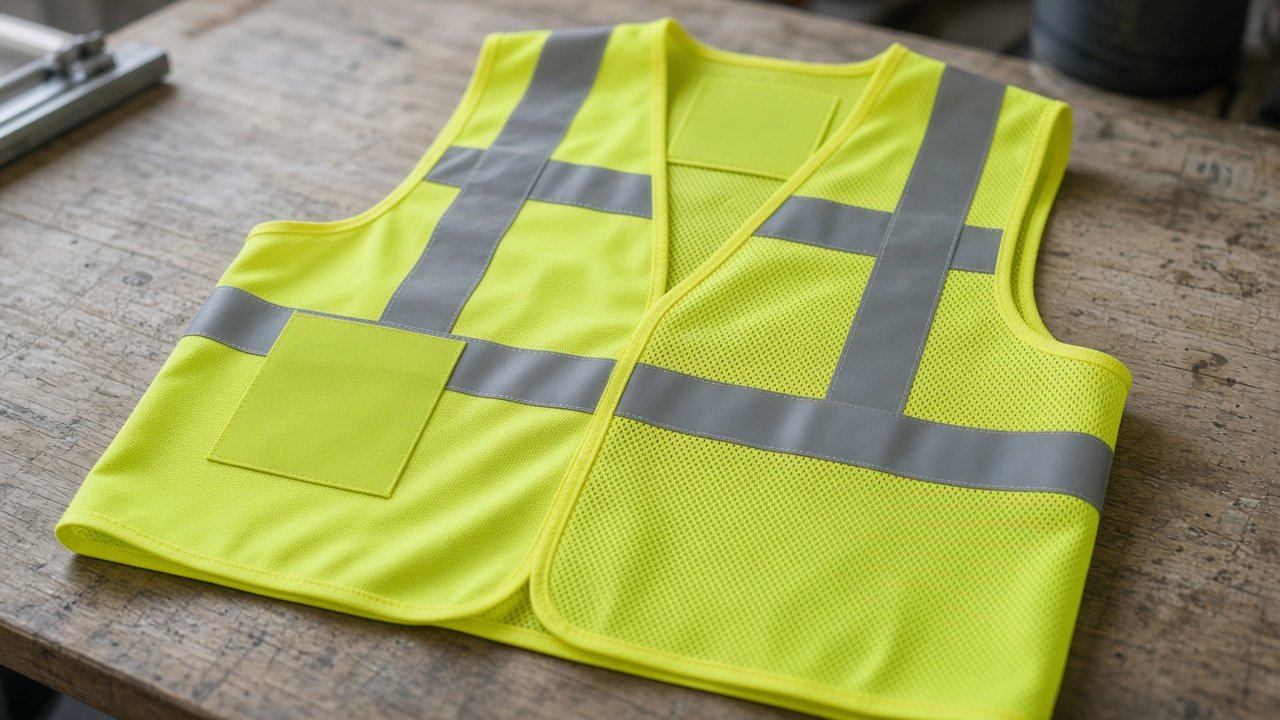
Custom safety vests with logo are high-visibility garments specified so company branding, role IDs, or identification panels sit on the vest without breaking the visibility design the buyer still needs for the job. In practice that means locking artwork, placement zones, fabric and tape layout, closures, and permanent labeling before bulk production—and treating decoration as part of the finished PPE model, not a last-minute print job. Under U.S. ANSI/ISEA 107 framing, logos and panels are allowed with strict placement so identification does not compromise HVSA visibility requirements; under EN ISO 20471 framing, areas of fluorescent or retroreflective material covered by logos are generally excluded from the minimum-area calculation. This guide is a production checklist for buyers sourcing branded hi-vis vests, including soft OEM notes for reflective.cn / Yolite custom reflective vest programs.
Why does logo customization change the vest you buy?
A blank hi-vis vest is already a system of fluorescent background, retroreflective bands, and optional contrast panels. Adding a logo changes three things at once:
- Visible material area — decoration covers background (and sometimes tape). Ireland’s Health and Safety Authority warns that branding must not reduce fluorescent background below EN ISO 20471 class minimums. Industry summaries likewise state that material covered by badges, logos, or lettering is excluded from the required minimum area unless the addition itself meets the standard’s material rules.
- Band continuity — opening a wide gap in the 360° reflective pattern can undermine nighttime conspicuity. Buyer guides discussing ANSI/ISEA 107 Section 7.2 emphasize keeping decoration from breaking striping; horizontal gaps in encircling retroreflective material are commonly discussed with a practical 50 mm / about 2 in upper limit—verify against the purchased standard edition.
- Durability and care — the decoration stack must survive real wash and abrasion cycles. Care limits on the garment label still apply after decoration.
So “custom logo” is a design and documentation decision tied to the destination market (ANSI/ISEA 107 Type/Class vs EN ISO 20471 class), the smallest size in the run, and how many logos appear on one garment.
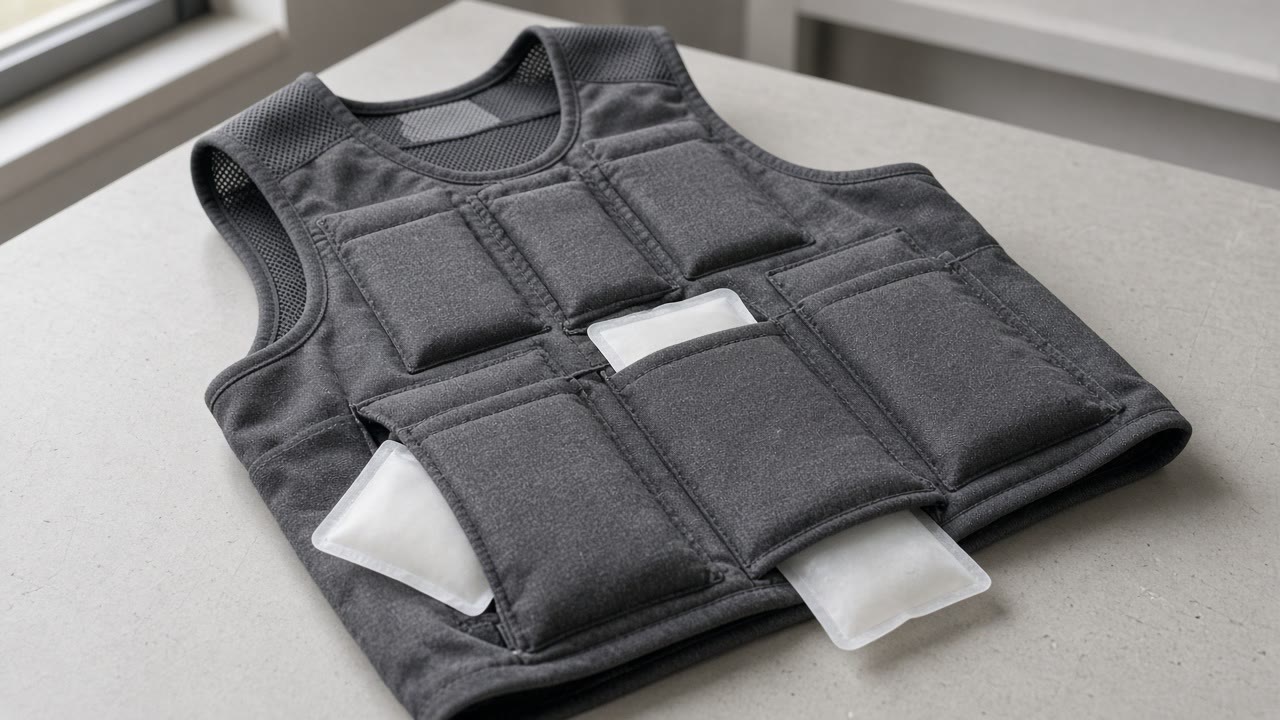
For class selection, see Class 2 vs Class 3 safety vests. Related heat-safety layers: PCM cooling vests.
What logo methods do buyers usually choose?
There is no single “best” method. Match method to fabric surface, artwork detail, expected wash life, and whether the vest must keep a documented visibility class.
| Method | Typical fit | Buyer checks |
|---|---|---|
| Screen print | Bold, flat logos; stronger on solid panels than open mesh | Ink adhesion on that exact fabric/color; crack/flex after wash; opacity on fluorescent yellow/orange |
| Heat transfer / film | Multi-color or cut shapes; names/numbers | Edge lift, hand feel, heat damage to mesh or coatings; process windows tested on the real fabric |
| Embroidery | Premium look on solid panels | Needle holes on waterproof/coated fabrics; thickness vs comfort; coverage of fluorescent area |
| Sew-on patch / blank panel | Reusable branding zones; mixed logos across projects | Stitch path vs tape; patch size on smallest sizes; attachment strength |
| Reflective logo / cut reflective film | Nighttime brand visibility | Does not automatically replace required band layout or “create” a class; match pieces for daytime color and RA; avoid seams; test adhesion (manufacturer transfer-film guidance) |
3M Scotchlite transfer-film literature is a useful process reference for reflective heat-applied graphics: work on flat areas, avoid seams, cool before peeling liners, and test each fabric—nylons and DWR finishes are often harder to bond than many polyester shells. Method names alone are not a certification.
Buyer’s production checklist for custom logo safety vests
Use this checklist when you RFQ an OEM or distributor. Approve each block on a decorated, production-representative sample before bulk.
1) Artwork
- Supply vector masters (AI/EPS/SVG/PDF) or high-resolution print-ready files; lock version numbers per language/market.
- Define Pantone or CMYK targets and whether fluorescent vest color is part of the brand contrast.
- State finished logo width × height, number of colors, and whether names/roles change per unit (variable data raises proofing complexity).
- Separate daytime brand mark from any reflective graphic—they have different process and inspection criteria.
- Confirm who owns final print-ready files and who may reuse them on reorders.
2) Placement
- Mark safe zones on front chest, back, and optional ID panel—never assume a marketing mockup is standards-safe.
- Keep logos off required retroreflective bands unless the supplier documents an allowed identification-panel construction for that Type/Class.
- Check the smallest size in the order: the same large back logo that looks fine on XL can cover too much fluorescent area on S.
- Limit logo count (chest + back + sleeve/shoulder). Multiple marks stack coverage risk under EN ISO 20471 area rules.
- For ANSI/ISEA 107 Type R/P garments, treat Section 7.2 (logos/lettering/panels) as mandatory reading for your compliance owner—ISEA’s public FAQ confirms logos are allowed only with strict placement so visibility requirements are not compromised.
- Prefer contrast panels for branding when the garment design includes them, so fluorescent area stays intact.
3) Fabric and reflective materials
- Specify mesh vs solid (breathability vs print surface), fabric weight family, and fluorescent color (yellow-green / orange-red / red families under common HVSA standards).
- Specify tape type (sew-on vs heat-transfer reflective tape), width, and layout sketch for the class you claim.
- Ask for accredited-lab material reports appropriate to the standard year you buy against (ISEA education materials frame ANSI/ISEA 107 material tests around ISO/IEC 17025 lab competence).
- If worn over harnesses, belts, or cooling layers, note abrasion paths that can scuff logos and tape.
4) Closures, fit, and construction
- Choose zipper, hook-and-loop, snaps, or buckle based on donning speed, durability, and whether the vest must stay fully closed for 360° visibility (HSA guidance: garments are only effective when worn closed as designed).
- Confirm size run, grading, and whether adjustable sides change how logos sit on different bodies.
- List pockets, radio loops, D-rings—extra components can crowd logo zones and change balance of materials front-to-back.
- State indoor/outdoor duty, chemical/dirt exposure, and expected wash process so decoration chemistry is not an afterthought.
5) Labeling and documentation
- Require a permanent label that matches the market claim: for ANSI/ISEA 107-2020 style marking, 3M’s quick reference summarizes fields such as manufacturer ID, style, size, standard name/year, FR statement or non-FR wording, and Type/Class pictogram.
- For EN ISO 20471 markets, expect the standard pictogram with class number and care/max cleaning cycles marked as the manufacturer declares.
- Ask for the Declaration of Conformity (or equivalent technical file summary) for the decorated configuration you will ship—not only the blank base vest.
- Align hangtags, carton marks, and language versions with the approved artwork package.
- Do not treat a marketing “ANSI look” hangtag as proof if the finished logo coverage was never reviewed.

MOQ, lead time, and proofing — qualitative factors only
Exact MOQs, calendar days, and unit prices vary by factory, method, and season—do not copy unrelated catalog numbers. Brief suppliers on factors that usually move commercial terms:
What tends to raise MOQ or setup effort
- Multi-color screen setups vs single-color marks
- Embroidery digitizing plus sample sew-outs
- Separate SKUs per logo version, language, or role title
- Mixed sizes with different maximum logo sizes
- Reflective cut-film weeding complexity
What tends to stretch lead time
- Incomplete artwork or late Pantone changes
- Waiting on decorated sample approval (and re-samples after rejects)
- Special fluorescent lots or tape layouts not already in the factory’s running programs
- Extra documentation reviews for a claimed visibility class after decoration
- Peak seasonal capacity for road/construction PPE
What a sane proofing workflow usually includes
- Digital placement mockup on the exact vest template (front/back, size callouts).
- Material swatches or undecorated construction sample if fabric/tape is new.
- Decorated pre-production sample in the production fabric, tape layout, closure, and logo method.
- Written approval of artwork version, placement measurements, care claims, and label copy.
- Bulk inspection criteria: logo position tolerance, color, adhesion/stitch quality, tape continuity, and label presence.
Proofing is the cheapest place to catch a logo that covers too much fluorescent area or bridges a reflective band. Skipping it to “save days” often creates a full-lot labeling problem later.
Soft path to OEM / custom reflective vest sourcing
If you need factory-side help turning a brand kit into a production-ready vest program, reflective.cn (Yolite / Ningbo Jiangbei Shiquan Gift) supplies reflective safety gifts and hi-vis PPE—vests, wristbands, hangers, patches, LED accessories—and supports soft OEM discussion for custom logo safety / reflective vests. Materials talks may reference reflective materials in the 3M Scotchlite class of performance and category standards such as CE EN ISO 20471, EN 1150, or EN 13356 where they apply—always confirmed per SKU and market, never assumed from a logo method name.
Bring destination market and class intent, size run, fabric preference, closure, logo files with max dimensions, and whether you need a decorated sample before bulk. No customer case studies are claimed here.
FAQ
Does adding a company logo void ANSI or EN high-visibility compliance?
Not automatically. ANSI/ISEA 107 allows logos and identification panels when placement rules are respected so visibility requirements remain intact. EN ISO 20471 programs generally exclude logo-covered fluorescent or retroreflective area from the minimum-area math. Compliance is about the finished decorated garment (and its documentation), not the brand mark alone. Have your compliance owner review the decorated sample against the standard edition and market rules you sell into.
Can reflective “YOUR LOGO” film replace the silver bands on a Class 2 vest?
No. Reflective graphics can add night-time brand visibility, but they do not automatically replace the required retroreflective configuration or establish a performance class. Keep required banding continuous and documented; treat reflective logos as an addition that must be assessed for coverage and adhesion.
What artwork should I send for custom safety vests with logo?
Send locked vector files (or print-ready high-resolution artwork), Pantone/CMYK references, finished size, and a placement drawing for every size you will order. Call out variable names/roles separately. Approve a decorated sample before bulk.
Mesh or solid fabric—which is better for logos?
Solid panels usually accept screen print, heat transfer, and embroidery more cleanly. Open mesh is cooler but can show uneven ink coverage or weaker film adhesion. Many programs use solid chest/back panels for branding and mesh elsewhere—confirm the construction on sample.
What should be on the vest label for a branded order?
At minimum: maker identification, style, size, care, and the visibility standard claim you are shipping (ANSI/ISEA 107 Type/Class pictogram and year, or EN ISO 20471 class pictogram). Include FR or non-FR statements when that framework applies. Packaging stickers are not a substitute for the permanent garment label. Wash life has no universal number—follow the care label and ask for evidence on the same fabric + logo stack.
Sources
- ISEA — PPE Perspectives FAQ on HVSA / ANSI/ISEA 107 (logos allowed with strict placement): https://safetyequipment.org/wp-content/uploads/2016/02/FAQ-3-9.pdf
- 3M — ANSI/ISEA 107-2020 Made Easier (label fields, Type/Class material framing): https://multimedia.3m.com/mws/media/638577O/ansi-107-2020-made-easier.pdf
- ANSI webstore preview — ANSI/ISEA 107-2020 (Section 7.2 Identification Panels, Lettering and Logos): https://webstore.ansi.org/preview-pages/ISEA/preview_ANSI+ISEA+107-20.pdf
- Ireland HSA — High visibility clothing information sheet (Oct 2022; branding vs minimum area; wear closed; care cycles): https://www.hsa.ie/media/hkgnfdi5/103348-hsa-high-visibility-document-final.pdf
- EN ISO 20471 design briefing (logo-covered area excluded from minimums): https://storage.unitedwebnetwork.com/files/21/da0b76b13fec377c7afe7130ea01ba5a.pdf
- 3M Scotchlite Reflective Material — Transfer Films technical sheet (heat-applied reflective graphics process): https://multimedia.3m.com/mws/media/1136432O/scotchlite-reflective-transfer-films-ts-pdf.pdf
- Macco Promotions — Custom Hi-Vis & Safety Workwear buyer guide (practical Section 7.2 / gap discussion): https://www.maccopromotions.com/blog/custom-hi-vis-safety-workwear
- HSafetyJackets — Safety vest logo printing methods and sample checks: https://hsafetyjackets.com/logo-printing-methods-safety-vests