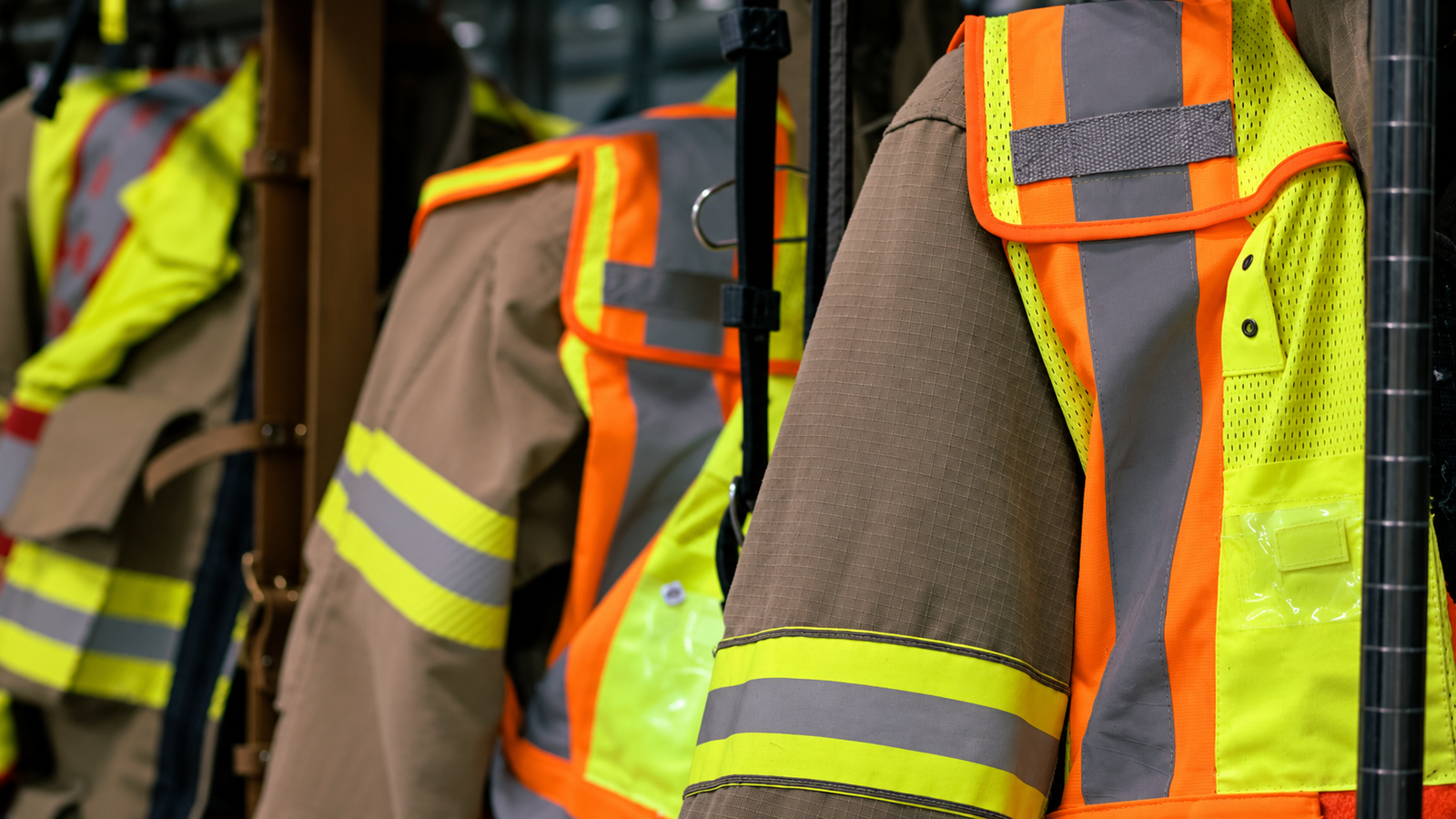
Choosing a reflective jacket for work is not simply a matter of picking the brightest colour or the largest strip of reflective tape. A useful specification starts with the workplace risk, then connects that risk to garment class, design, weather protection, fit, branding and evidence from the supplier.
Quick Summary
To choose a reflective jacket for work, begin with a task-specific risk assessment. Check the applicable market standard, visibility class, garment design, colour contrast, weather protection, fit, care instructions and supplier documents before approving a bulk order. A sample should be reviewed in the actual work environment whenever possible.
1. Start With the Worksite Risk, Not the Jacket Catalogue
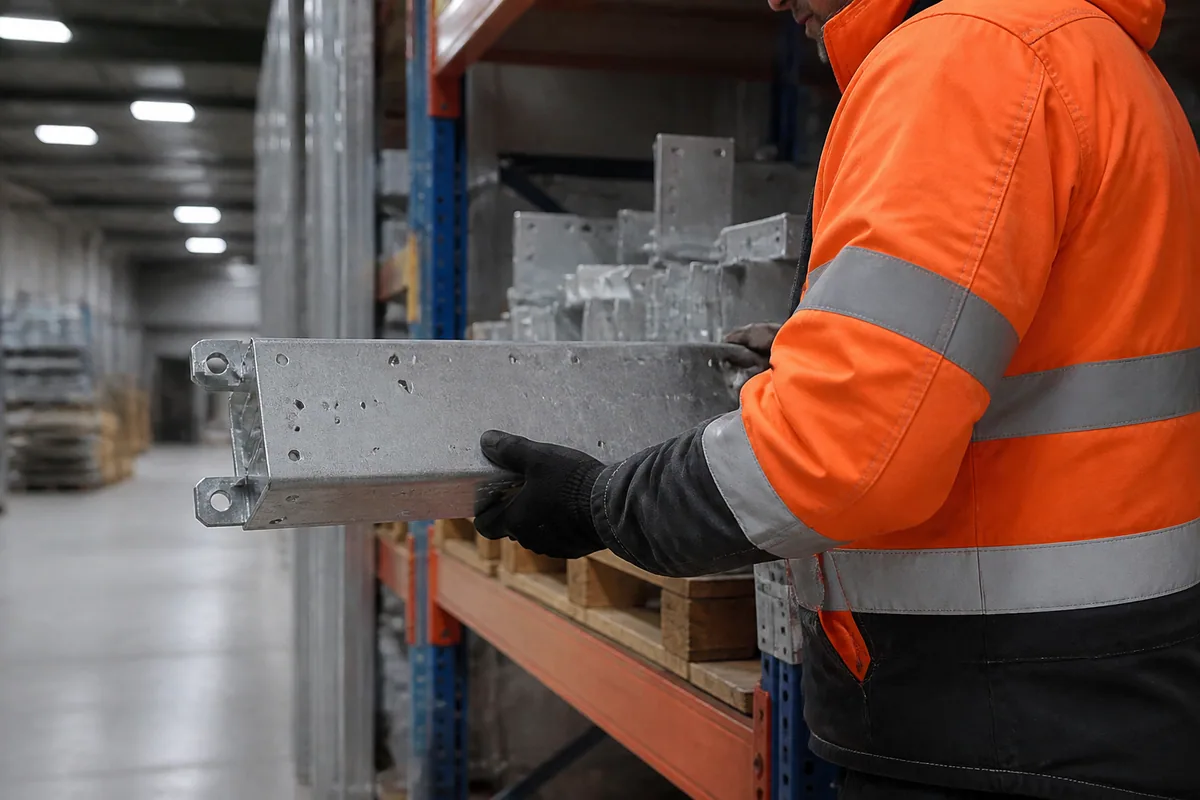
The correct jacket depends on where, when and how it will be worn. A warehouse pedestrian route, a road maintenance site and a delivery yard at night expose workers to different vehicle speeds, viewing distances, lighting and weather.
The Health and Safety Authority's guidance on high-visibility clothing recommends considering factors such as vehicle volume and speed, sightlines, lighting, weather and exposure time. It also advises involving the people who will wear the clothing, because comfort and suitability affect whether a garment is used consistently.
Before contacting a supplier, record:
- the moving vehicles or machinery near the wearer;
- typical viewing distance and direction;
- daylight, darkness and artificial-light conditions;
- rain, wind, cold, heat and contamination;
- tasks that may cover part of the garment; and
- the length of each wearing period.
This brief gives the supplier a real specification instead of a vague request for a “high-quality safety jacket.”
2. Match the Reflective Jacket Standard to the Target Market
For high-risk professional use in many European markets, buyers commonly evaluate garments against EN ISO 20471 and the relevant PPE requirements. The ISO overview explains that the standard covers high-visibility clothing intended to signal the wearer's presence in daylight and under vehicle headlights in darkness. Its performance requirements include colour, retroreflection, minimum material areas and material placement.
EN ISO 20471 uses three garment classes, with Class 3 providing the highest level of conspicuity defined by the standard. That does not mean every workforce automatically needs Class 3. The selected class should follow the risk assessment and the rules that apply in the destination country and industry.
For orders outside Europe, do not assume that an EN ISO 20471 label satisfies local requirements. Tell the supplier the country, industry and intended use, then ask which standard and edition the final garment is certified against. If you are comparing regional frameworks, this overview of high-visibility safety vest standards provides a useful starting point, but procurement decisions should still be checked against current local requirements.
3. Check Garment Design, Not Just Reflective Tape Quality
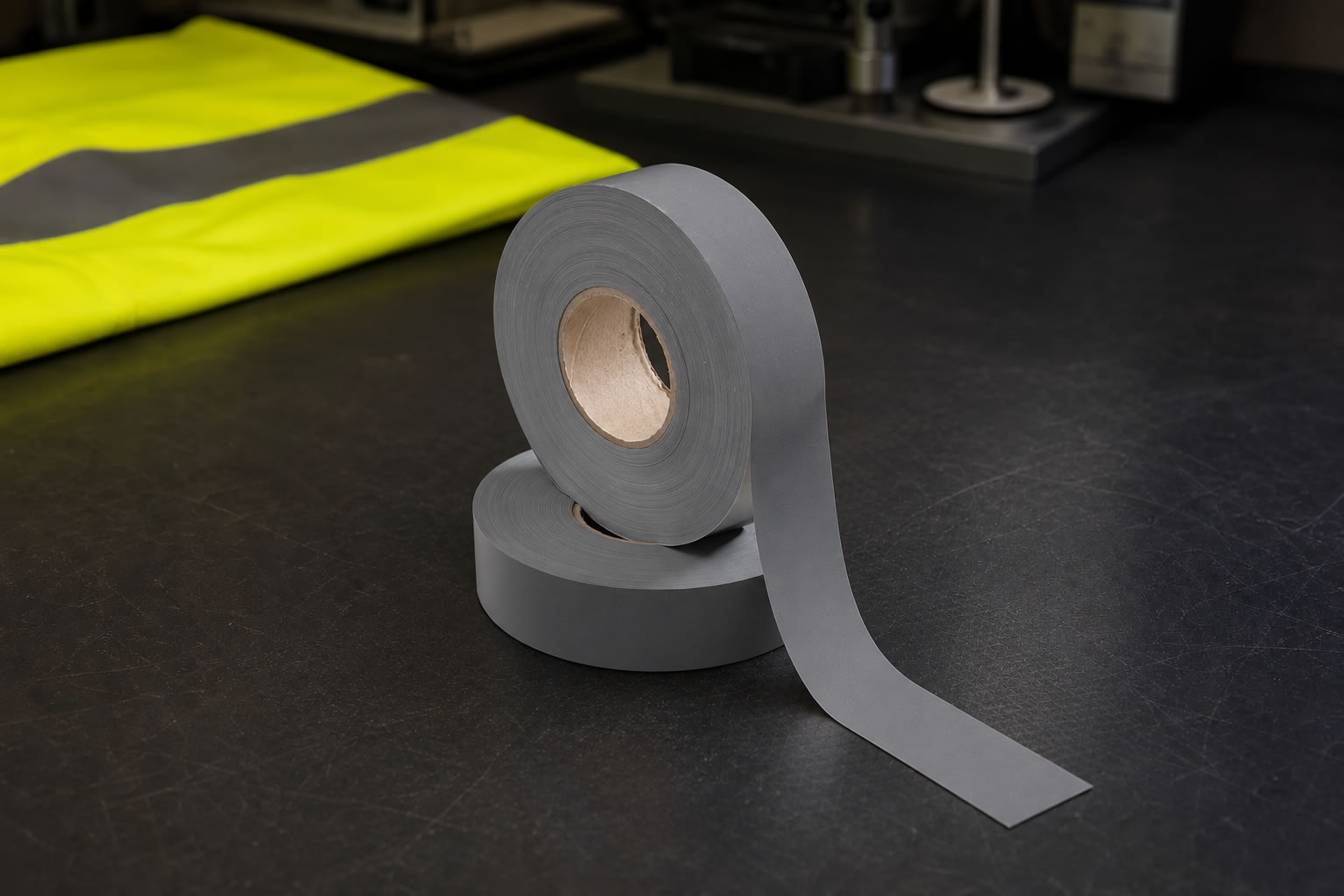
A compliant reflective material does not automatically make the finished jacket compliant. The amount and placement of fluorescent background material and retroreflective material matter at garment level.
Sleeve bands can be particularly useful because they help an observer recognise human movement. The HSA guidance notes that, when only one torso garment is worn, a jacket with bands on the sleeves can provide better recognition than a sleeveless vest. Buyers should also check whether reflective bands and fluorescent areas remain visible when workers bend, carry equipment or wear a harness.
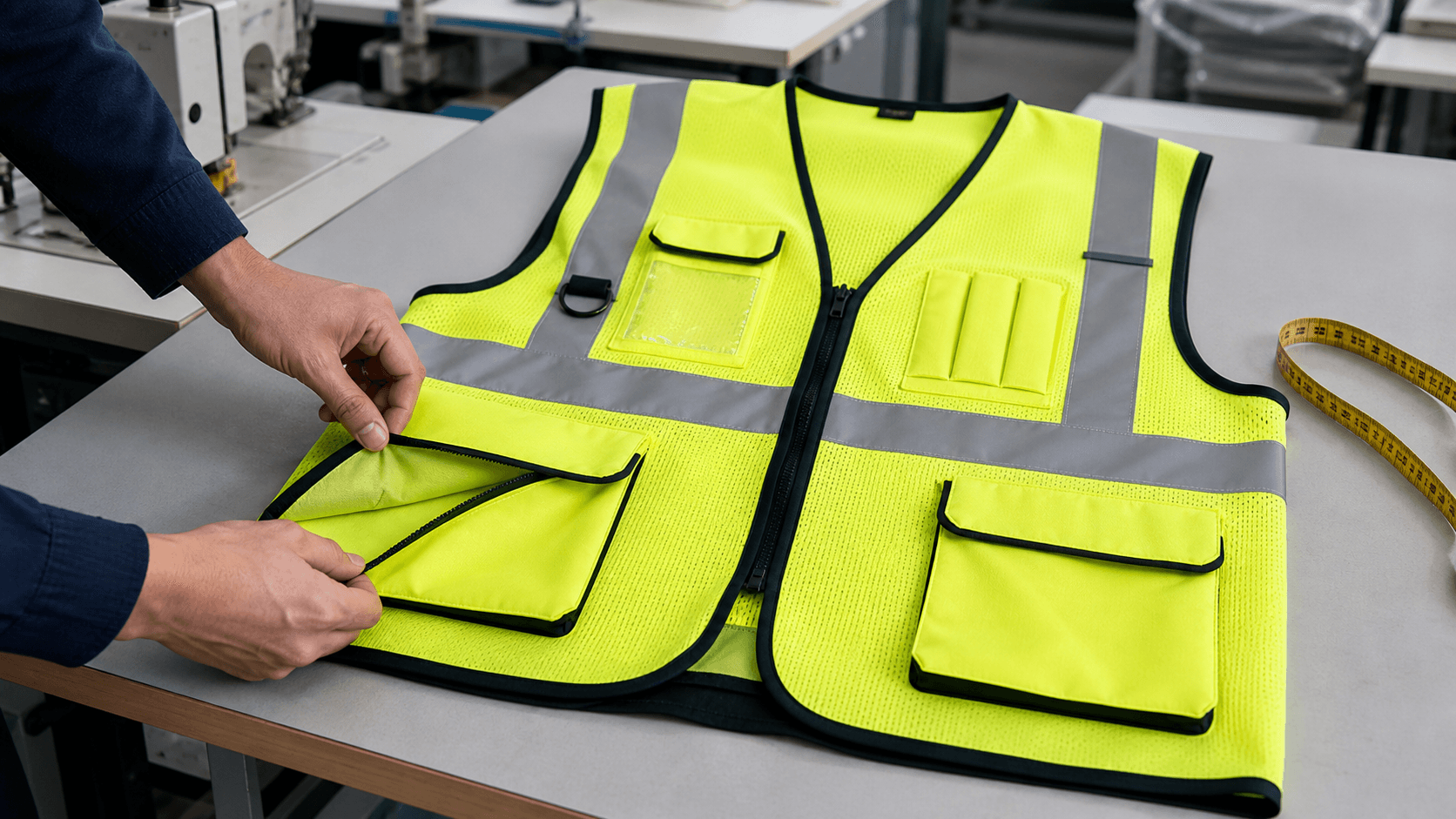
Ask for front, back and side drawings of the final design. Then confirm whether pockets, zips, badges, logos and contrast panels interrupt any required visible area. If you are still deciding between garment types, compare the practical differences in reflective jackets versus safety vests.
4. Choose a Colour That Contrasts With the Work Environment
Fluorescent colour supports daytime visibility, while retroreflective material returns light toward its source in low-light conditions. Both functions matter, but their effectiveness depends on the surrounding background and available light.
A colour that stands out in one location may blend into another. The HSA guidance gives the example that yellow may be less distinctive against extensive greenery, while orange can offer stronger contrast in that setting. Indoor lighting, fog, snow, dust and the colour of vehicles or equipment should also be considered.
Review the sample in representative daylight and artificial light rather than judging it only under office lighting. This simple check helps the purchasing team select contrast for the actual site instead of relying on a catalogue photograph.
5. Specify Weather Protection and Layering Separately
Visibility and weather protection are related buying needs, but they are not the same claim. A reflective jacket may also need to manage rain, wind or cold; each requirement should be written into the specification and supported by the appropriate product documentation.
For changing seasons, a modular design can reduce the number of separate garments a workforce needs. Options may include detachable liners, removable sleeves or an outer shell that can be worn in different configurations. For example, this 4-in-1 waterproof safety reflective jacket illustrates one modular product format. Its suitability for a specific workplace still depends on the exact model documentation, configuration and risk assessment.
Do not accept “waterproof,” “breathable” or “cold-resistant” as standalone marketing words. Ask what test method, performance level and garment configuration support each claim.
6. Review Fit, Movement, Sizing and Care Before Bulk Production
A jacket that is technically suitable but uncomfortable can create a different operational problem. Workers may leave it unfastened, cover it with another layer or avoid wearing it for the full shift.
Order a size set and let representative users try it during normal movements. Check reach, bending, driving posture, glove use, pocket access and compatibility with other PPE. Confirm whether the size grading preserves the intended visible-material arrangement across the full range.
Care instructions also belong in the procurement review. Ask how washing, drying, abrasion and contamination affect the garment, and how the user should identify damage or reduced performance. Record the approved care method so the maintenance team does not treat protective clothing like ordinary workwear.
7. Approve Branding Only After the Final Compliance Review
Custom logos can support workforce identification, but printing or embroidery changes the finished garment. A large back print, chest badge or added panel may cover fluorescent or retroreflective material, and a decoration process may affect the underlying fabric.
Provide the supplier with the final artwork, dimensions and placement before requesting a compliance confirmation. For a practical overview of decoration trade-offs, see screen printing versus digital printing for safety apparel.
Before approving production, request a final pre-production sample with the real logo applied. The evidence pack should match that final construction—not only an undecorated base garment.
Reflective Jacket Supplier Document Checklist
For a bulk reflective jacket order, request documents that can be tied to the exact product and configuration:
- product specification and bill of materials;
- applicable certificate or declaration;
- supporting test reports where relevant;
- garment class and standard edition;
- size chart and size-set sample;
- artwork placement approval;
- care and maintenance instructions; and
- pre-production sample approval record.
Check that model numbers, materials, colours and garment configurations agree across the documents. A report for one fabric or an undecorated sample should not automatically be treated as evidence for every finished jacket variation.
FAQ About Buying Reflective Jackets for Work
Is a reflective jacket always better than a safety vest?
No. A jacket can provide sleeves, weather coverage and more high-visibility material, while a vest may be lighter and suitable for lower-risk or warmer conditions. The worksite risk assessment should decide which format is appropriate.
Does more reflective tape automatically mean a higher garment class?
No. Classification depends on the finished garment's required material areas, placement and design—not tape quantity alone. Ask for evidence covering the exact finished model.
Can a company logo be added to a certified reflective jacket?
Branding may be possible, but its size, position and application method can affect visible areas or materials. The decorated final design should be reviewed and supported by the supplier's compliance documentation.
Should buyers test a sample at the actual worksite?
Yes, when practical. A site trial can reveal contrast, fit, movement, layering and task-related obstruction issues that are difficult to judge from a product page.
Conclusion
The best way to choose a reflective jacket for work is to connect every product decision to the real workplace: risk level, applicable standard, visibility from different directions, environment, weather, movement and maintenance. Review a representative sample and the matching evidence before bulk production. If you need help translating a buyer brief into a jacket configuration, contact Yolite with the destination market, worksite conditions, quantity and branding requirements.

AUTHOR
Jack Lee
Founder · Yolite Industrial Co., Ltd.
Reflective-products specialist since 2003, focused on reflective materials, high-visibility apparel, OEM customization, and practical product development for international buyers.
View LinkedIn Profile