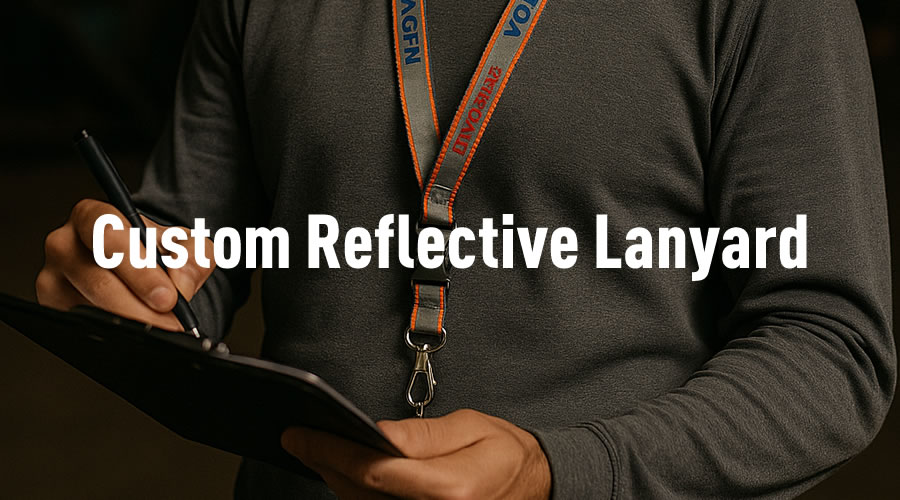
Custom reflective lanyards are widely used in safety programs, corporate branding, events, and promotional campaigns where visibility and identification are equally important. For brands and organizations sourcing reflective lanyards in bulk, understanding materials, construction, and customization options helps ensure the final product meets both functional and branding requirements.
This guide explains how custom reflective lanyards are manufactured, what design options are available, and what buyers should consider when working with an OEM supplier.
What Are Custom Reflective Lanyards?
Reflective lanyards are wearable straps designed to improve visibility in low-light environments. By integrating retro-reflective materials into the lanyard surface, light from headlights or street lamps is reflected back toward the source, making the wearer more noticeable.
Custom reflective lanyards are commonly used for:
Workplace safety identification
Event staff and volunteer badges
Corporate access control
Promotional giveaways with added safety value
Outdoor, night-time, or industrial environments
Unlike standard printed lanyards, reflective versions focus on visibility performance in addition to branding.
Common Materials Used in Reflective Lanyards
Material selection directly affects durability, reflectivity, comfort, and cost.
Polyester Webbing
Polyester is the most common base material for reflective lanyards. It offers good strength, color stability, and suitability for various printing methods.
Reflective Yarn or Film
Reflective elements are usually added in two ways:
Woven reflective yarn integrated into the fabric
Reflective film or strip laminated or stitched onto the surface
High-quality reflective materials can meet international visibility standards while maintaining flexibility.
Eco-Friendly Options
Some OEM manufacturers offer recycled polyester or low-impact dyeing processes for customers with sustainability requirements.
Printing and Logo Customization Methods
Custom reflective lanyards can be branded using different techniques depending on artwork complexity and order volume.
Screen Printing
Best for simple, solid-color logos. Cost-effective for large quantities.
Heat Transfer Printing
Suitable for multi-color logos or gradients. Commonly used when branding is applied over reflective film.
Jacquard Weaving
Logos are woven directly into the fabric, offering excellent durability and a premium appearance.
Each method has different lead times and cost implications, which should be evaluated during sampling.
Hardware and Functional Options
OEM buyers can customize hardware components to match specific use cases.
Common attachments include:
Metal swivel hooks
Plastic or metal buckles
Safety breakaway clips
Phone holders or badge reels
The choice of hardware affects both safety and user convenience, especially in workplace environments.
Compliance and Visibility Standards
Depending on the target market, reflective lanyards may need to comply with visibility or safety guidelines.
Typical standards referenced by buyers include:
EN 17353 (enhanced visibility accessories)
EN ISO 20471 (for applications related to high-visibility apparel)
Local workplace safety requirements
An experienced manufacturer should be able to advise whether testing or certification is required for a specific application.
OEM Production Process for Custom Reflective Lanyards
A typical OEM workflow includes:
Artwork confirmation and material selection
Sample development and approval
Mass production
Quality inspection
Packaging and shipment
Clear communication during the sampling stage helps reduce revisions and ensures consistency in large-volume orders.
Packaging and Private Label Options
For B2B buyers, packaging is often part of the customization scope.
Options may include:
Individual polybags
Paper cards with branding
Retail-ready packaging for promotional distribution
Bulk packing for internal use
Private labeling allows brands to integrate reflective lanyards seamlessly into their product portfolio.
Choosing the Right OEM Supplier
When sourcing custom reflective lanyards, buyers should evaluate:
Experience with reflective materials
In-house quality control
Sample lead times
Compliance knowledge
Flexibility for small or mid-size orders
A supplier focused on reflective safety products typically offers better guidance on material performance and compliance expectations.
Custom reflective lanyards combine branding, identification, and visibility into a single functional product. By understanding materials, printing methods, hardware options, and compliance considerations, OEM buyers can make informed decisions and develop lanyards that meet both marketing and safety objectives.
For brands and organizations planning bulk or long-term sourcing, working with a specialized reflective manufacturer helps ensure consistent quality and reliable delivery.